
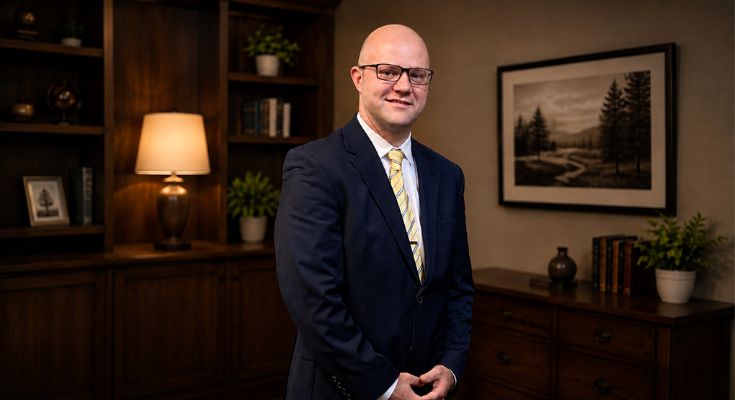
I have spent over twenty years working in law enforcement. In that time, I have talked to many victims of different crimes, including people who lost hundreds or even thousands of dollars to scams. Like other officers, I have had some tough conversations with these victims. Often, by the time they reached out to us, their money was already gone. They had bought gift cards, shared prepaid card numbers, or transferred money, and the scammer had vanished. We could take reports, gather evidence, and try to investigate, but sometimes getting the money back was nearly impossible. For a long time, that was just how I saw scams. Then my own daughter became a victim. Suddenly, I was not just a police officer looking in from the outside. I was a father.
One Ordinary Day
My teenage daughter was at work when someone called and asked for her by name. The caller said he was a deputy from the Sheriff’s Office. He told her she had missed jury duty and now had a warrant for her arrest. He told her to leave work right away and not to tell anyone the reason, saying the information was “legally protected.” She believed him, and that matters. It wasn’t because she was careless or unintelligent. She believed him because he sounded convincing. The caller made himself seem like an authority, then used fear, urgency, and isolation. He stayed on the phone and told her what to do next. Eventually, he told her to get money, go to Walmart, and buy two prepaid cards for $2,000. During this time, my wife and I couldn’t reach her. We knew she had left work suddenly, was asking for money, and said she couldn’t explain why. For a while, we truly thought someone might have taken our daughter. She wasn’t physically taken, but someone else had taken control of her choices.
The Money Came Last
Afterward, I kept thinking about one part of what happened. The scammers didn’t start by saying, “Leave work, don’t tell your family, get $2,000, drive to a store, buy prepaid cards and give me the numbers.” If they had, the scam probably would have ended right there. Instead, they led her through a series of small steps: answer the phone, listen to the deputy, believe there’s a legal problem, move away from others, don’t tell anyone, leave work, stay on the line, follow instructions, get the money, buy the cards, and finally, give them the numbers. Each step made the next one a bit easier. Realizing this changed how I saw scams. The money wasn’t where the scam started; it was where it finished. Before they could take the money, the scammers had to win the person over.
Modern Scams Are About Manipulation
Most of us think of scammers as people who just want to steal money. While that’s true, it doesn’t fully explain how these crimes succeed. Many scams start with social engineering, which means influencing someone’s thoughts, feelings, or actions so they do what the scammer wants. Technology and stories may change, and victims can be any age, but the tactics often stay the same. Scammers use authority to make victims believe they have real power. They use fear to make the consequences seem so serious that reacting feels safer than stopping to think. They create urgency so people don’t have time to question what’s happening. They isolate victims from others who might notice something is wrong. All of these tactics work together, so following the scammer’s instructions can start to feel like the victim’s own choice. That’s why just telling people, “Don’t fall for scams,” isn’t enough. We need to help people understand how manipulation works.
Sometimes One Other Voice Is Enough
One of the most important lessons from my daughter’s experience happened near the end. Her boyfriend found her and quickly saw that something was very wrong. He stayed calm, kept in touch with our family, and helped her stay put until the State Police arrived. The scammers were still on the phone. When the State Trooper came, my daughter told the caller that the police were there. The scammers even tried to make her doubt that the real police were legitimate. The trooper then took the phone, said who he was, and the call ended right away. For almost an hour, the scammers had controlled the conversation. But as soon as someone else with authority stepped in, their control vanished. This is one of the simplest lessons I want families and students to remember: involve someone else if you’re in a suspicious situation. Scammers rely on keeping people isolated. Bringing in another person means another viewpoint, another phone, another way to check the story, and another chance to stop the scam. Sometimes, that small interruption is all it takes.
What If We Are Entering the Conversation Too Late?
After the incident, I started to question some things I had always believed in my career. Are we getting involved too late? Law enforcement definitely has a part to play after a scam happens. Victims should report these crimes, contact their banks when needed, and keep any evidence they have. But what if we could help more people before it gets to that point? Imagine if students learned about authority, fear, urgency, and isolation before someone tried to use those tricks on them. What if families talked about checking facts before they ever got a scary phone call? What if everyone knew that if someone says they are from law enforcement or the government and demands money to avoid arrest, it should be an instant red flag? What if our first reaction was to pause, check, and ask someone else for help? That is what prevention looks like, and I think it should be a much bigger part of how we fight scams.
From a Book to a Larger Mission
My family’s experience inspired me to write my book, When It’s Not an Abduction: The Anatomy of a Modern Scam. While writing was my own project, I soon realized I wanted the story to do more than just sit on a shelf. The next step became a team effort with my longtime friend and law enforcement partner, Jose Alvarez. Jose and I worked together at the City of Chester Police Department, where we both served as School Resource Officers. Later, our careers led us to another department in Southern Chester County. After all these years and changes, we are once again working together as SROs. Now, we are turning one family’s story into something bigger. Our goal is to create practical scam-awareness education for students and eventually offer presentations and outreach to parents, families, older adults, and others in our community. We know education alone won’t stop scams. Criminals will keep changing their tactics. Artificial intelligence will make impersonation even more convincing. Phone numbers will be faked. New payment methods will show up. We probably can’t teach people about every scam out there. But maybe we don’t need to. If we can help people spot the manipulation behind the story, we can make them much harder to trick.
One Family’s Worst Day Can Become Someone Else’s Best Chance
My daughter was safe. I lost $2000, but I would make that choice again without hesitation. What stayed with me wasn’t the loss of money. It was seeing my daughter, after nearly an hour of thinking she was in danger, feel ashamed because someone had tricked her. People who fall for manipulation are not stupid, and victims need to know that. Families should learn how to support each other without adding more shame to an already difficult situation. We all need to realize that the person on the other end of the phone doesn’t have to fool us for long. Sometimes, they just need to control what we believe for a few minutes. That’s the moment we need to stop, check, and ask someone else for help. If sharing these three steps helps even one student, parent, or grandparent pause before acting, then maybe one of the hardest days my family faced can help someone else avoid the same pain.
About the Author
Joshua J. Dewees is a Chester County police officer, School Resource Officer, former police captain, and the author of When It’s Not an Abduction: The Anatomy of a Modern Scam. He has more than two decades of law-enforcement experience involving patrol, investigations, supervision, command, and school-based policing. After his teenage daughter became the victim of a sophisticated law-enforcement impersonation scam, Dewees began focusing on scam-prevention education and community awareness.
Together with fellow police officer and longtime professional partner Jose Alvarez, Dewees is working to develop educational programming aimed at helping students, families, and communities recognize the manipulation behind modern scams before it succeeds.
Support the local news that supports Chester County. MyChesCo delivers reliable, fact-based reporting and essential community resources—free for everyone. If you value that, click here to become a patron today.