
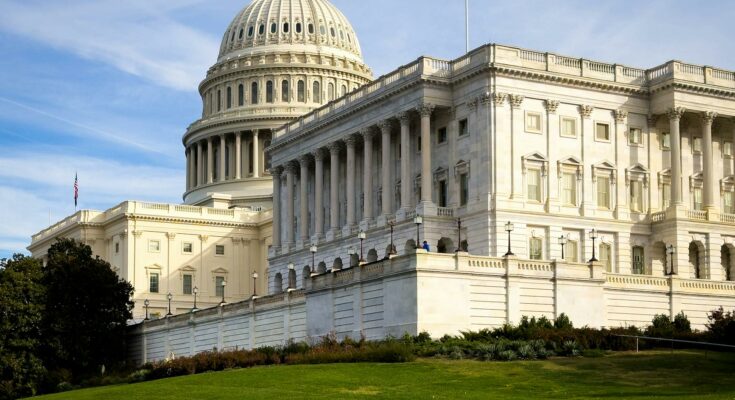
WASHINGTON, D.C. — A new federal proposal aims to speed up approval timelines for energy and infrastructure projects, targeting delays that lawmakers say are holding back investment, job creation, and energy production across the United States.
What This Means for You
- Energy projects could move forward faster, potentially affecting jobs and local economies
- Federal approval timelines for major infrastructure may become more predictable
- Changes could impact environmental review processes and legal challenges
U.S. Sen. Dave McCormick, R-Pennsylvania, on Thursday introduced the Unlock American Energy and Jobs Act, legislation designed to overhaul the federal permitting process — the system agencies use to review and approve large infrastructure projects such as pipelines, power plants, and export terminals.
McCormick said more than 650 projects are currently awaiting federal approval, representing over $1 trillion in investment and an estimated $2.4 trillion in broader economic activity.
“What we’re missing is a federal permitting system with clear rules and predictable timelines,” McCormick said.
Why Lawmakers Say Reform Is Needed
Supporters of the bill argue that lengthy and uncertain approval processes have slowed development and discouraged investment.
Construction costs can rise by 24% to 30% when projects are delayed, according to figures cited by the bill’s sponsors.
Industry surveys also indicate that more than half of manufacturers are hesitant to invest in new U.S. projects due to permitting uncertainty, while roughly two-thirds say faster approvals would increase investment.
Key Changes in the Proposal
The legislation targets several areas of the permitting process.
It would:
- Set a one-year deadline for state reviews under the Clean Water Act — a federal law regulating water pollution — and require written explanations for permit denials
- Remove certain federal approval requirements for exporting liquefied natural gas, or LNG, which is natural gas cooled into liquid form for overseas transport
- Extend nuclear power plant operating licenses from 40 to 60 years while maintaining existing safety standards
- Limit the scope and timeline of lawsuits filed under the National Environmental Policy Act, or NEPA — a federal law requiring environmental review of major projects — including restricting when courts can block approved projects
The bill also aims to reduce delays caused by litigation by setting deadlines for court decisions and requiring challengers to have participated in the original review process.
Support and Opposition Context
The proposal has drawn support from energy companies, labor groups, and manufacturing organizations, which argue that faster permitting could boost domestic energy production and job growth.
Supporters said the changes could help the U.S. remain competitive globally and meet rising electricity demand.
No formal opposition statements were included in the release, though permitting reforms have historically raised concerns among environmental groups about reduced oversight.
What Comes Next
The bill has been introduced in the Senate and will require approval from both chambers of Congress before becoming law.
Lawmakers said the measure is part of a broader debate over how to balance infrastructure development, environmental review, and economic growth.
Support the local news that supports Chester County. MyChesCo delivers reliable, fact-based reporting and essential community resources—free for everyone. If you value that, click here to become a patron today.