
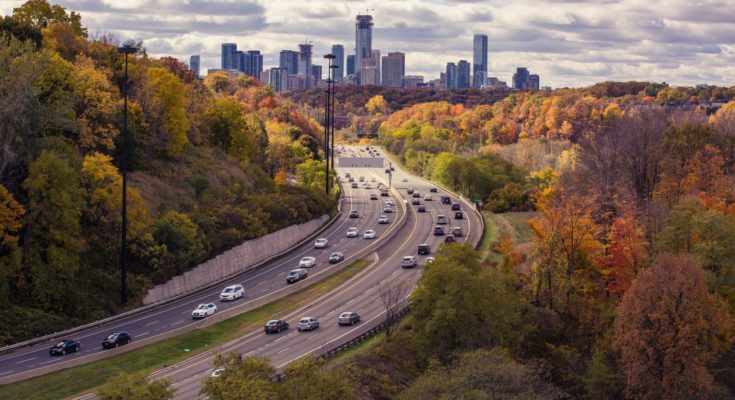
WASHINGTON, D.C. — Drivers could see faster commutes and fewer traffic delays under a new federal initiative that asks states to identify and fix their most congested roadways.
What This Means for You
- States will target major traffic bottlenecks for faster improvements
- Projects may move quicker through partnerships and streamlined planning
- Reduced congestion could save time and lower commuting costs
The U.S. Department of Transportation and the Federal Highway Administration launched the “Freedom to Drive” initiative, a program designed to work with states to reduce traffic congestion and improve roadway efficiency.
Federal officials are asking governors to identify two to five of their state’s worst congestion points and propose solutions to address them.
Focus on Faster Project Delivery
The initiative aims to speed up infrastructure projects by prioritizing roadway capacity improvements and encouraging partnerships with private companies.
Officials said the goal is to reduce delays caused by “chokepoints” — areas where traffic slows or stops due to limited road capacity or design issues.
Transportation Secretary Sean Duffy said the effort is intended to ease daily commutes.
“We are working to deliver less congested roads and highways to give you a little bit more time at home,” Duffy said.
Scale of the Congestion Problem
Federal data cited by the department highlights the scope of the issue.
The United States has 10 of the world’s 25 most congested cities, including Chicago and Los Angeles.
In 2024, the average urban commuter spent about 63 hours in traffic, contributing to an estimated $269 billion in lost productivity.
Officials said congestion also affects freight movement and rural travel, where delays can result from crashes, weather, or seasonal traffic.
Role of Public-Private Partnerships
The initiative encourages states to use public-private partnerships — agreements where private companies help finance, build, or operate infrastructure projects — to stretch federal and state funding.
Officials said rebuilding the nation’s highway infrastructure could cost close to $1 trillion, making outside investment a key component.
As an example, the department highlighted a $3.89 billion loan for a highway expansion project in Georgia that is expected to reduce delays and improve safety.
Technology and Planning Tools
The Federal Highway Administration has launched an online resource to provide states with technical tools and strategies for reducing congestion.
Officials said the platform will support planning efforts and help states develop targeted solutions.
Next Steps
Governors are expected to submit their identified congestion areas and proposed actions to the federal government.
Officials said the program is intended to accelerate improvements and reduce traffic delays nationwide by focusing on the most critical problem areas first.
Support the local news that supports Chester County. MyChesCo delivers reliable, fact-based reporting and essential community resources—free for everyone. If you value that, click here to become a patron today.