
WASHINGTON, D.C. — The U.S. Department of Health and Human Services launched a federal competition aimed at expanding accessible community gardens for older adults and people with disabilities, part of a broader public-health strategy linking food access and social engagement to chronic disease prevention.
The Administration for Community Living, an HHS division, opened Phase 1 of its “Cultivating Connected Communities Challenge” last week, targeting community garden projects that incorporate accessibility improvements and inclusive programming.
Federal officials are positioning community gardens as lower-cost public-health interventions capable of improving nutrition access, reducing social isolation, and supporting wellness initiatives in underserved populations.
The initiative builds on the U.S. Department of Agriculture’s People’s Garden program and focuses on expanding participation among individuals with physical disabilities, intellectual and developmental disabilities, and older adults who are often excluded from sustainability and community-wellness programs because of mobility or health barriers.
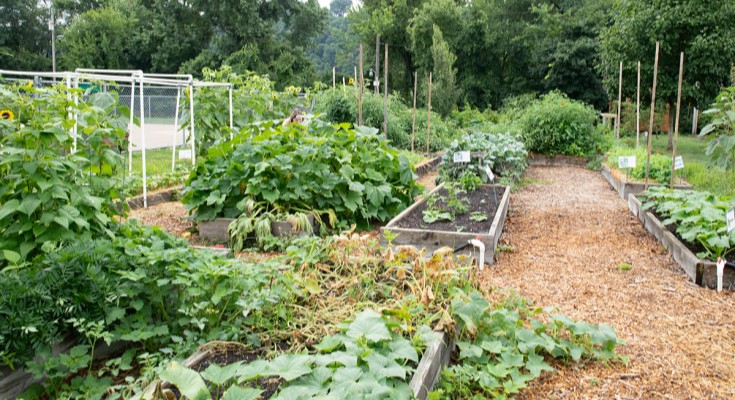
Funding awarded through the challenge can be used for accessibility upgrades including raised planting beds, adaptive gardening equipment, and inclusive garden programming.
The effort also aligns with the Trump administration’s “Make America Healthy Again” agenda, which has emphasized reducing chronic disease through nutrition and community-based wellness programs.
“Community gardens make healthy food more accessible while strengthening community engagement and connection,” said Robert F. Kennedy Jr..
The agency framed the program as both a public-health initiative and a community-development strategy designed to increase independence and long-term engagement among vulnerable populations.
Dana Gover, statewide ADA consultant at the Northwest ADA Center, cited projects such as the Universal Garden initiative as examples of how accessibility planning can move beyond minimum compliance standards when people with disabilities are directly involved in design feedback.
The challenge arrives as federal health agencies increasingly connect chronic disease prevention efforts to local food infrastructure, accessibility policy, and community-based social programs rather than traditional clinical interventions alone.
Support the local news that supports Chester County. MyChesCo delivers reliable, fact-based reporting and essential community resources—free for everyone. If you value that, click here to become a patron today.