
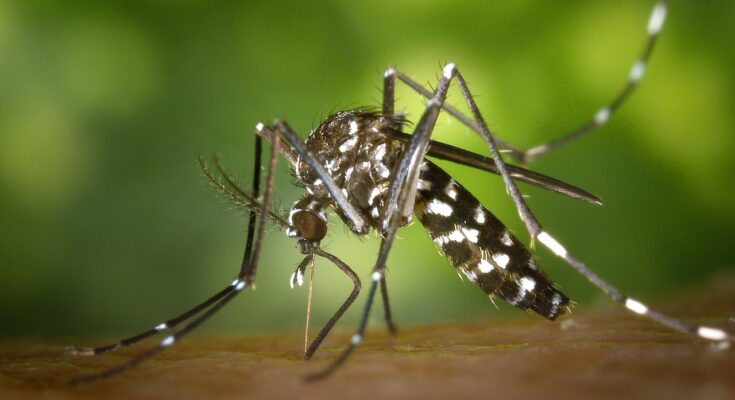
WASHINGTON, D.C. — The United States is experiencing its earliest and most active start to West Nile virus season in more than two decades, with 48 human cases reported by the end of June and virus activity detected in 23 states, prompting federal health officials to urge Americans to take precautions against mosquito bites.
The Centers for Disease Control and Prevention said 38 of the reported cases involved severe neuroinvasive disease, including conditions such as meningitis and encephalitis. By comparison, the agency has recorded an average of 10 human cases by the end of June since 2004.
The CDC said the increase is being driven by unusually early circulation of the virus, with the number of states reporting West Nile activity reaching its highest level in the past decade.
“These findings serve as an important reminder that mosquito season is well underway,” CDC Medical Epidemiologist Dr. Erin Staples said in a statement. “We encourage everyone to take simple steps to protect themselves and their loved ones from mosquito bites.”
West Nile virus is the leading cause of mosquito-borne disease in the contiguous United States, with several thousand cases and roughly 100 deaths reported annually on average, according to the CDC.
Most infected individuals do not develop symptoms. However, about one in five people infected with the virus experience fever and symptoms including headaches, body aches, joint pain, vomiting, diarrhea or rash. Less than 1% develop severe neurologic disease, which can result in long-term disability or death.
Adults age 60 and older and individuals with certain underlying medical conditions face an elevated risk of severe illness.
The CDC recommended using Environmental Protection Agency-registered insect repellents, wearing long-sleeved clothing, avoiding outdoor activity between dusk and dawn when possible, and using window screens or air conditioning to reduce exposure to mosquitoes.
State and local health departments continue to monitor mosquito populations and implement control measures, while the CDC said it is working with public health partners nationwide to track disease activity and provide guidance to reduce the risk of infection.
Current surveillance data is available at https://www.cdc.gov/west-nile-virus/data-maps/current-year-data.html, and additional information about West Nile virus can be found at https://www.cdc.gov/westnile.
Support the local news that supports Chester County. MyChesCo delivers reliable, fact-based reporting and essential community resources—free for everyone. If you value that, click here to become a patron today.