
PITTSBURGH, PA — Pennsylvania has allocated a one-time $20 million transfer to sustain hazardous-site investigations and cleanup projects, supporting a redevelopment program that has approved nearly 13,700 contaminated-property cleanups statewide since 1995.
The funding, included in the 2026-27 state budget, will support the Hazardous Sites Cleanup Act program while Pennsylvania seeks a permanent funding source, according to the Department of Environmental Protection.
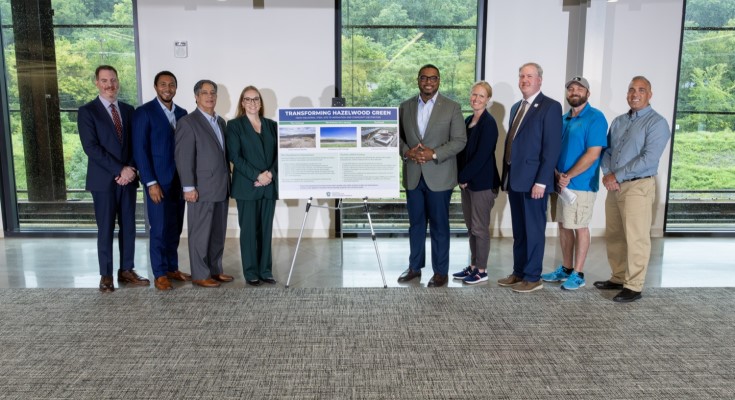
Lt. Gov. Austin Davis and Environmental Protection Secretary Jessica Shirley outlined the investment Thursday at Hazelwood Green, a former Pittsburgh steel and coke production site that has been redeveloped for manufacturing, technology and recreation.
The administration reported investing more than $100 million since 2023 to support more than 800 completed Act 2 cleanups and investigations or remediation projects at more than 150 hazardous sites.
“This work doesn’t just protect our environment — it creates opportunities for economic growth, producing more jobs in manufacturing, construction, conservation, and environmental services,” Davis stated.
Hazelwood Green previously housed the Jones & Laughlin/LTV Steel Hazelwood Coke Plant along the Monongahela River, where more than a century of industrial activity left soil and groundwater contamination and other obstacles to redevelopment.
Environmental challenges included complex underground conditions, historical fill materials, limited public access and the need for long-term engineering controls, according to the department.
Hazardous Sites Cleanup Act funding supported state employees who reviewed the project under Pennsylvania’s Act 2 Land Recycling Program.
Remediation included environmental investigations, risk assessments, extensive soil sampling and the installation of engineered fill and clean soil cover systems.
Developers also used pavement, buildings and other engineered barriers to limit exposure to contamination, while environmental covenants and land-use restrictions established long-term controls.
The redevelopment includes Mill 19, a manufacturing and technology project that Regional Industrial Development Corp. executive Tim White identified as dependent on the Act 2 program.
“Thousands of jobs exist today because of projects made possible because of Act 2,” White stated, referring to redevelopment initiatives that include former industrial properties in Pittsburgh, Duquesne and McKeesport.
The Hazardous Sites Cleanup Act program investigates land and water pollution and attempts to identify responsible parties. When none can be identified, program funding can support soil remediation, water treatment and other cleanup measures.
Pennsylvania’s Act 2 program has approved 13,688 cleanups across all 67 counties since 1995, according to the Department of Environmental Protection.
Support the local news that supports Chester County. MyChesCo delivers reliable, fact-based reporting and essential community resources—free for everyone. If you value that, click here to become a patron today.