
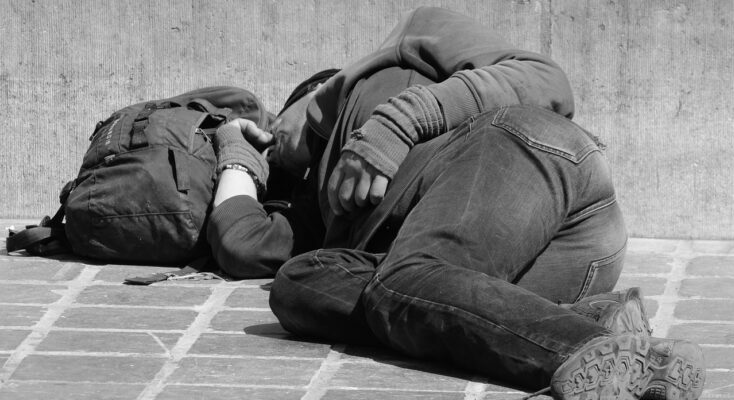
WASHINGTON, D.C. — Homelessness in the United States declined 3.3% in 2025 after reaching a record high the previous year, though the number of people experiencing homelessness remained 26% higher than in 2013 and continued to exceed pre-pandemic levels, according to the U.S. Department of Housing and Urban Development’s latest Annual Homelessness Assessment Report to Congress.
HUD reported that 745,652 people were homeless on a single night in January 2025, down by 25,828 from 2024. The decrease was driven largely by reductions in emergency shelter populations and unsheltered homelessness in several large jurisdictions, including New York and Illinois.
The report found that 266,320 people were living in unsheltered locations such as streets, vehicles, encampments, or abandoned buildings during the annual point-in-time count, representing about 36% of the homeless population. While unsheltered homelessness declined 3% from 2024, it remained 36% higher than in 2013.
HUD Secretary Scott Turner criticized the federal government’s long-running homelessness strategy.
“The data is clear that the status quo of ‘housing first’ has failed to meaningfully reduce homelessness, resulting in crisis levels of people living on the streets,” Turner said in a statement accompanying the report.
The report itself defines homelessness more narrowly than some broader housing instability measures. Point-in-time counts include people staying in emergency shelters, transitional housing programs, safe havens, and unsheltered locations, but exclude individuals living with friends or relatives, “couch surfing,” or residing in permanent supportive housing, rapid rehousing, or other permanent housing programs reserved for formerly homeless individuals.
Compared with 2013, the report shows substantial growth in several key categories. Total homelessness increased 26.3%, unsheltered homelessness rose 36.1%, and the number of chronically homeless individuals climbed 81%. At the same time, the inventory of beds dedicated to homeless and formerly homeless individuals nearly doubled, increasing 98% between 2007 and 2025.
The report also found that emergency shelter populations increased 75% since 2013, while the number of people in transitional housing programs declined nearly 60% over the same period. Permanent supportive housing capacity grew 43.6% since 2013.
Among demographic groups, homeless individuals living without children and people experiencing chronic homelessness reached record highs in 2025. The number of chronically homeless individuals rose to 155,750, representing nearly one-third of all homeless individuals counted nationwide.
Families with children moved in the opposite direction. The number of homeless people in families with children fell by more than 29,000, or 11%, from 2024 levels. Veteran homelessness also continued its long-term decline, falling 56% since tracking began in 2009.
The report attributes much of the national decline between 2024 and 2025 to changes in a handful of jurisdictions. Illinois recorded a 44% reduction in homelessness, driven primarily by an 11,000-person decline in Chicago. According to local officials cited in the report, reduced arrivals of asylum seekers, expanded rental assistance, and additional permanent housing resources contributed to the decrease. New York also recorded one of the nation’s largest declines after reporting significant increases in prior years.
Nationally, more than half of all homeless individuals were counted in one of the country’s 50 largest cities, while suburban communities accounted for nearly one-quarter of the homeless population.
The report, based on counts conducted during the final days of January 2025, serves as HUD’s primary annual measure of homelessness trends across the United States.
Support the local news that supports Chester County. MyChesCo delivers reliable, fact-based reporting and essential community resources—free for everyone. If you value that, click here to become a patron today.