
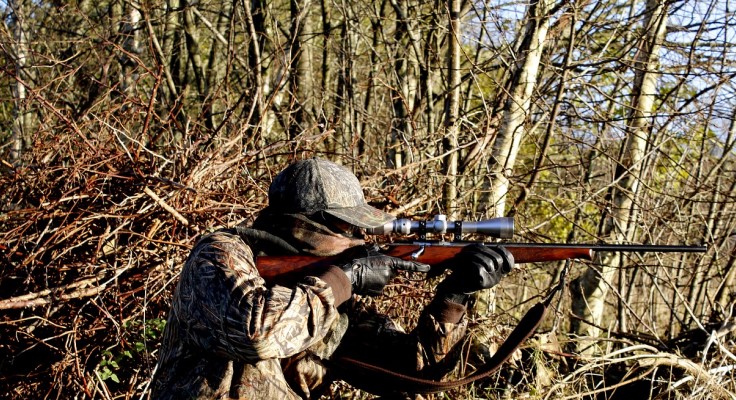
WASHINGTON, D.C. — Hunters and anglers could gain access to millions of additional acres of federally managed land under a proposal from the Department of the Interior that would expand hunting and fishing opportunities while removing hundreds of federal regulations officials consider outdated or duplicative.
What This Means for You
- More hunting and fishing opportunities could become available on federal lands in 32 states.
- More than 92 million acres of national wildlife refuge land would be open to hunting if the proposal is approved.
- The public will have 30 days to comment after the proposal is published in the Federal Register.
The Department of the Interior announced a series of actions aimed at increasing recreational access on public lands, including what officials describe as the largest proposed expansion of hunting and sport fishing opportunities in the history of the U.S. Fish and Wildlife Service.
The initiative also includes actions by the National Park Service to remove certain hunting-related restrictions in park units where hunting is already authorized by law.
Access Expansion Across Refuges and Hatcheries
According to the Interior Department, the U.S. Fish and Wildlife Service is proposing to open or expand more than 1,450 hunting and sport fishing opportunities across 111 federal facilities in 32 states.
The proposal covers 107 national wildlife refuges and four national fish hatcheries.
If finalized, more than 92 million acres — representing over 95% of lands within the National Wildlife Refuge System — would be available for hunting. The proposal also includes first-time hunting or sport fishing opportunities at 14 refuges and three fish hatcheries.
Interior Secretary Doug Burgum said the effort is intended to increase access to public lands while reducing administrative barriers.
“America’s public lands belong to the American people, and they should be able to access them without unnecessary bureaucracy standing in the way,” Burgum said.
Hundreds of Regulatory Changes Proposed
Federal officials said the proposal would simplify hunting and fishing regulations through more than 500 revisions or removals of existing rules.
Many of the changes are intended to eliminate requirements that duplicate state wildlife regulations or other federal rules already in place.
According to the department, the revisions are designed to make regulations easier to understand and better align federal refuge management with state fish and wildlife laws.
“Hunting and fishing are deeply rooted American traditions that support conservation, connect families to the outdoors and strengthen local economies,” said Brian Nesvik, director of the U.S. Fish and Wildlife Service.
National Park Service Removing Restrictions
In a separate action, the National Park Service announced plans to remove certain hunting-related closures and restrictions in units where hunting is already legally permitted.
Officials said the changes focus on eliminating park-specific requirements that duplicate state regulations or existing federal standards.
The agency said the goal is to improve consistency and make hunting regulations easier for visitors to understand while maintaining protections for public safety and natural resources.
“Americans should be able to access and enjoy their public lands without navigating unnecessary bureaucracy,” said Jessica Bowron, who is exercising the delegated authority of the National Park Service director.
Hunting Rules Would Still Apply
The Interior Department emphasized that hunting and fishing activities would remain subject to federal law, conservation requirements, and public safety standards.
Hunting would continue to be permitted only in National Park System units where it is authorized by law. Access to hunting and fishing opportunities on national wildlife refuges would remain subject to conservation reviews and compatibility requirements designed to protect wildlife and habitat resources.
Economic Impact Highlighted
The department cited the most recent National Survey of Fishing, Hunting and Wildlife-Associated Recreation, which found that nearly 40 million Americans participate in fishing and more than 14 million hunt.
According to the survey, those activities contribute more than $144 billion annually to the U.S. economy.
Federal officials also noted that hunting and fishing provide food sources for many Americans and referenced the Trump administration’s updated Dietary Guidelines as part of its broader health and nutrition initiatives.
Next Steps
The proposed rule was developed following Secretary’s Order 3447, which directed the Interior Department to identify opportunities to expand hunting and fishing access and better align federal regulations with state wildlife management frameworks.
The U.S. Fish and Wildlife Service will accept public comments for 30 days after the proposed rule is published in the Federal Register before any final decisions are made.
Support the local news that supports Chester County. MyChesCo delivers reliable, fact-based reporting and essential community resources—free for everyone. If you value that, click here to become a patron today.