
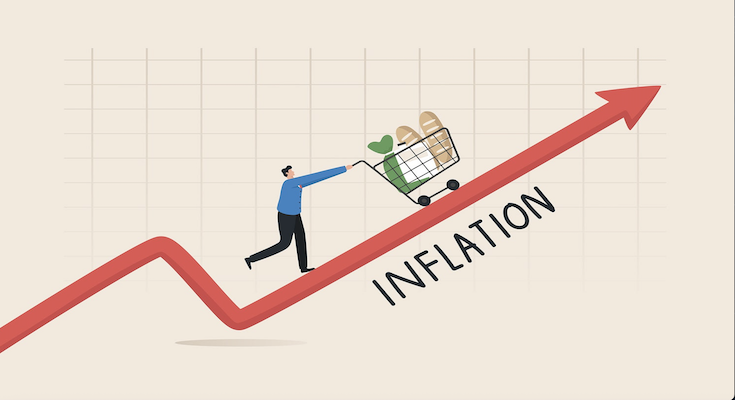
On Tuesday, the S&P 500 pulled back from recent record highs. Losses in technology stocks combined with rising oil prices weighed on the index as investors digested a hotter-than-expected April Consumer Price Index (CPI) report.
The Bureau of Labor Statistics reported that the CPI rose 0.6% in April on a seasonally adjusted basis. Over the past 12 months, consumer prices increased 3.8%, above economists’ expectations of 3.7% and the highest annual rate since May 2023. This marks an acceleration from March’s 3.3% pace and a pre-conflict (in February) reading around 2.4%.
Energy prices dominated the headline figure. The energy index jumped 3.8% in a single month and 17.9% over the past year, accounting for more than 40% of the overall monthly increase. Gasoline prices climbed 5.4% in April alone (seasonally adjusted) and surged 28.4% year-over-year. Broader energy commodities rose even more sharply in some categories.
Core CPI (which excludes volatile food and energy prices) also ticked higher. It advanced 0.4% for the month (up from 0.2% in the prior two months) and 2.8% annually, compared to 2.6% in March. Shelter costs rose 0.6% in April, with both rent and owners’ equivalent rent increasing 0.5%. Food prices gained 0.5% monthly, with groceries up 0.7%.
Although the overall inflation rate came in at 3.8%, several everyday expenses rose at a much sharper pace:
- Energy commodities: +29.2%
- Gasoline: +28.4%
- Airfare: +20.7%
- Overall energy: +17.9%
- Electricity: +6.1%
- Fruits and vegetables: +6.1%
- Hospital services: +5.5%
- Motor vehicle repairs: +5.1%
- Apparel: +4.2%
These pressures have compounded over time. Cumulative inflation since 2020 now stands around 29%, meaning a basket of goods and services that cost $100 at the start of the decade would run about $129 today.
Michael Reid, chief U.S. economist at RBC Capital Markets, noted: “I’m looking for anything where I can say ‘here’s some relief,’ and that’s not very easy to do in this report. Generally inflation is moving in the wrong direction.”
Markets had been hoping for clear evidence that inflation was sustainably drifting back toward the Federal Reserve’s 2% target. Instead, March and especially April delivered the opposite message. The latest report highlights how vulnerable the disinflation process remains to external shocks, most notably the energy spike tied to the ongoing Iran conflict.
Some analysts believe April’s numbers may have been unusually high because of temporary factors like rising energy costs, seasonal trends, and swings in housing prices. If those pressures cool off, inflation could ease in the coming months. Still, continued increases in core inflation and housing costs suggest prices may remain stubbornly high overall.
This higher-than-expected CPI report creates more uncertainty surrounding interest rates, the stock market, especially tech and growth stocks, and everyday Americans already dealing with rising costs for gas, groceries, rent, and travel. Investors and policymakers will closely monitor the next few inflation reports to determine whether this is just a temporary bump or the beginning of a more persistent trend.
Support the local news that supports Chester County. MyChesCo delivers reliable, fact-based reporting and essential community resources—free for everyone. If you value that, click here to become a patron today.