
WASHINGTON, D.C. — U.S. energy employment fell 1% in 2025 to 8.4 million jobs even as hiring expanded in electric transmission, natural gas, nuclear and coal, according to the Department of Energy’s 2026 employment report, underscoring an uneven labor market as rising power demand intensifies competition for skilled workers.
The decline amounted to a net loss of about 86,000 jobs from 2024, with 74,000 jobs added and 160,000 leaving the energy economy during the year. Energy employment represented about 5% of the U.S. workforce.
The contraction cuts against the Department of Energy’s emphasis on job gains in selected sectors. Transmission, Distribution and Storage was the only one of the five major energy sectors to expand overall, adding about 28,000 workers, or 2%, to reach 1.5 million.
Electric power transmission and distribution added 17,900 workers, while natural gas transmission and distribution employment rose by about 12,500, or 5%. The report attributed grid-related demand partly to rising electricity consumption associated with data centers, industrial activity and broader electrification.
Electric Power Generation employment declined about 2%, or 15,000 jobs, to 919,000 despite gains in nuclear and coal generation.
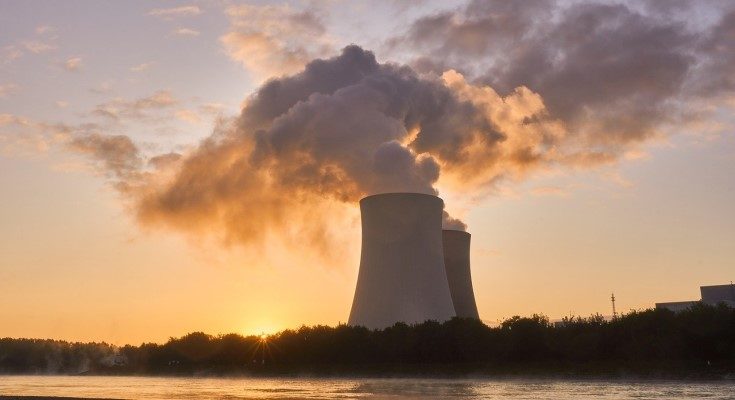
Nuclear employment increased 4%, adding 2,300 workers, while coal generation employment rose 5%, or 2,800 workers. Solar generation employment fell 3%, or about 11,100 jobs, and wind employment declined 2%, or 2,700.
The Fuels sector lost about 28,000 jobs, a 3% decline, as oil and gas producers operated with fewer workers amid efficiency gains and industry consolidation. Energy Efficiency employment fell 1%, or about 21,000 jobs.
Motor Vehicles and Component Parts recorded the largest numerical decline among the five sectors, losing about 50,000 jobs, or 2%, as automakers reduced production capacity amid weaker vehicle demand and high costs.
Pay remained a stronger feature of the energy labor market. The report estimated a median annual energy-sector wage of $63,000, 24% above the national median of $51,000.
Separate Bureau of Labor Statistics data analyzed in the report showed average energy-sector wages of about $101,000 in 2025, compared with $82,000 across the broader workforce. DOE cautioned that the two wage measures use different datasets and methodologies and are not directly interchangeable.
The report also found that job growth was increasingly concentrated in higher-paying occupations. Energy occupations that added workers had an average annual wage of about $82,000, compared with roughly $64,000 for occupations that lost employment.
Labor availability is emerging as a constraint in parts of the industry despite the overall decline in employment. Employers reported particular difficulty finding construction, installation, repair and electrically skilled workers, with energy companies competing for many of the same employees sought by data centers, infrastructure projects and advanced manufacturers.
Construction apprenticeship enrollment is increasing in response to that demand. New registered apprentices in the construction industry rose 9% in 2025 from the previous year, to about 112,000 from 103,000, according to data cited by DOE.
The increase has not eliminated worker shortages. The report concluded that rising infrastructure investment, an aging workforce and competition for technical skills are likely to keep pressure on employers seeking workers for grid and other energy projects.
The congressionally mandated U.S. Energy and Employment Report tracks employment in Transmission, Distribution and Storage; Electric Power Generation; Fuels; Energy Efficiency; and Motor Vehicles and Component Parts.
The 2026 report adds wage analysis and a future employment outlook. Its findings draw on a survey of approximately 42,000 establishments conducted from late 2025 into February 2026, supplemented with Bureau of Labor Statistics employment and wage data.
DOE Secretary Chris Wright framed the report around the importance of energy employment to the broader economy, saying energy workers support the industries that depend on reliable power.
The report’s underlying figures, however, show a labor market moving in different directions: total energy employment declined in 2025 while grid infrastructure, natural gas transmission, nuclear generation and coal generation added workers and employers in several technical fields continued to report difficulty filling positions.
Support the local news that supports Chester County. MyChesCo delivers reliable, fact-based reporting and essential community resources—free for everyone. If you value that, click here to become a patron today.