
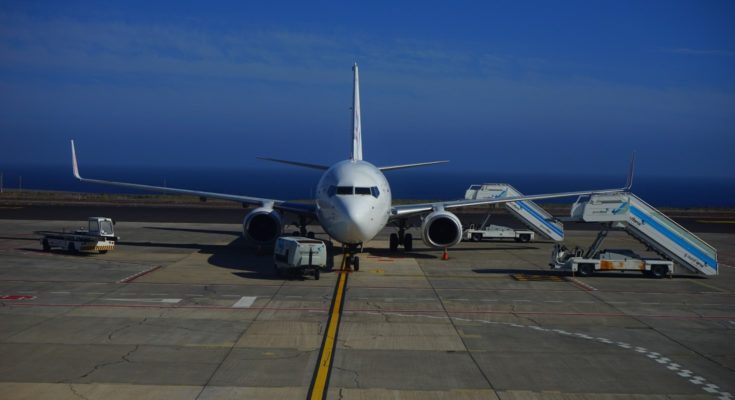
WASHINGTON, D.C. — President Donald Trump has directed the Commerce Department and the Office of the U.S. Trade Representative to begin negotiations with trading partners over imports of commercial aircraft, jet engines and related parts after determining the products threaten U.S. national security, while stopping short of immediately imposing tariffs.
The July 9 proclamation follows a Section 232 investigation by the Commerce Department, which concluded imported commercial aircraft, jet engines and associated parts are entering the United States in quantities and under circumstances that threaten to impair national security. Instead of recommending immediate import duties, Commerce urged the administration to pursue negotiations with foreign governments before considering additional trade measures.
The administration contends the U.S. commercial aerospace sector is critical to both the economy and national defense because it supplies aircraft, engines, components, maintenance and repair capabilities used by commercial carriers and the military.
According to the proclamation, the investigation found foreign government practices, dependence on imported components and insufficient domestic investment have weakened the U.S. aerospace industrial base. The administration argued those factors have contributed to underused manufacturing capacity, workforce declines, industry consolidation and higher production costs.
The Commerce Department also identified reliance on overseas supply chains as a national security concern, citing risks associated with counterfeit and non-compliant aircraft parts. The proclamation states those issues have contributed to aircraft being removed from service, fuselage corrosion and compromised jet engines affecting both commercial and military fleets.
The administration further concluded continued import competition could discourage investment in domestic manufacturing, limiting production capacity and reducing incentives to expand the aerospace workforce. According to the proclamation, those trends could increase costs, create supply uncertainty and delay procurement of military aircraft and related equipment.
Under the order, the Commerce secretary and U.S. trade representative will negotiate agreements with foreign trading partners intended to address the identified national security concerns. They must provide the president with a progress report within 180 days.
The proclamation leaves open the possibility of future trade actions if negotiations fail.
Trump stated he may pursue alternative remedies, including tariffs authorized under Section 232 of the Trade Expansion Act of 1962, if agreements are not reached within 180 days, are ineffective or are not carried out.
The White House characterized the action as part of a broader effort to strengthen domestic manufacturing and reduce reliance on foreign suppliers in industries considered vital to national security. The administration cited previous Section 232 actions involving steel, aluminum, copper, automobiles, timber, lumber and pharmaceuticals as part of the same strategy.
Support the local news that supports Chester County. MyChesCo delivers reliable, fact-based reporting and essential community resources—free for everyone. If you value that, click here to become a patron today.