
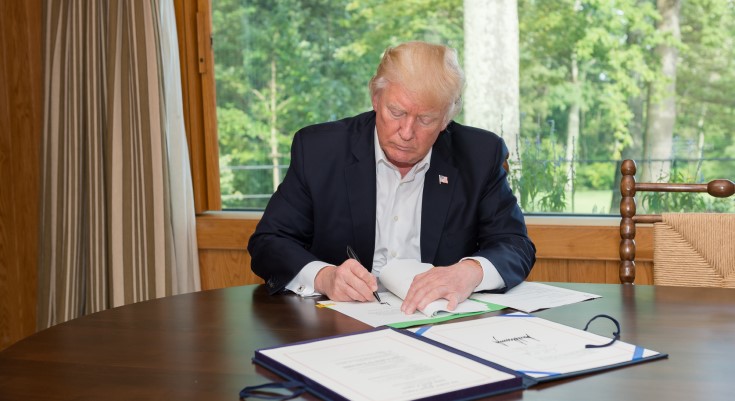
WASHINGTON, D.C. — Donald Trump moved to delay and revise federal refrigerant regulations this past week, loosening Biden-era environmental requirements tied to commercial cooling systems as the administration argues the changes will reduce food supply chain costs and ease regulatory pressure on businesses.
The United States Environmental Protection Agency finalized revisions to compliance deadlines under a 2023 refrigerant transition rule governing hydrofluorocarbons, or HFCs, chemicals widely used in refrigeration and air conditioning systems that have faced tighter environmental restrictions because of their climate impact.
The administration also proposed changes to a separate 2024 rule governing emissions reduction and refrigerant leak repair standards for large-scale cooling systems.
Together, the actions would expand the use of older and less expensive refrigerants for a longer period while delaying stricter compliance obligations for supermarkets, refrigerated transport operators, industrial cooling systems, semiconductor manufacturers, and commercial air conditioning operators.
The White House framed the rollback as part of a broader deregulatory strategy aimed at lowering consumer prices and reducing operating costs across food distribution and manufacturing sectors.
According to administration estimates, revisions to the refrigerant transition rule could save businesses and consumers more than $900 million, including roughly $800 million tied to supermarket operations.
The administration separately estimated that changes to leak repair requirements could reduce costs for refrigerated transportation operators by as much as $1.5 billion.
The Biden administration’s original rules were designed to accelerate transition away from high-global-warming-potential refrigerants under federal climate mandates and international agreements targeting HFC emissions.
Industry groups and businesses had argued portions of the regulations imposed expensive retrofitting and compliance obligations on existing refrigeration infrastructure, particularly for grocery distribution, industrial cold storage, and commercial cooling systems.
The Trump administration said the revised rules would preserve operational flexibility while maintaining broader refrigerant transition goals.
The White House also tied the changes to a wider economic agenda centered on deregulation, lower grocery costs, domestic manufacturing, and reduced compliance burdens for businesses.
Among the actions cited by the administration were expanded Small Business Administration loan guarantees for grocery and food production projects, revisions to vehicle fuel economy standards, and broader executive actions targeting energy, transportation, and environmental regulations.
The administration said its cumulative deregulatory actions have generated more than $1.2 trillion in projected savings, though those estimates have not been independently verified.
Support the local news that supports Chester County. MyChesCo delivers reliable, fact-based reporting and essential community resources—free for everyone. If you value that, click here to become a patron today.