
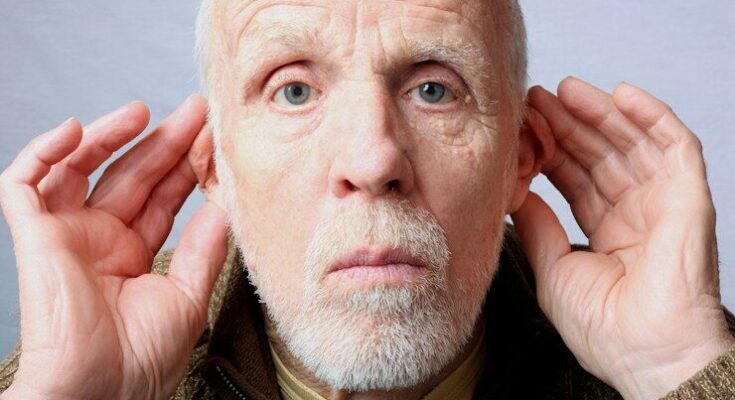
Hearing loss rarely arrives all at once. For most adults, it develops slowly, over years, and that gradual pace is exactly why it is easy to miss. According to the National Institute on Deafness and Other Communication Disorders (NIDCD), about one in three people in the U.S. between the ages of 65 and 74 has hearing loss, and nearly half of those older than 75 have difficulty hearing. It is not only an older adult’s concern, either: NIDCD notes that noise-induced hearing loss can affect people of all ages, including children and teens.
Understanding the early signs, knowing when a hearing check makes sense, and taking a few simple precautions can help Chester County residents of every age keep hearing well for longer.
Why Early Hearing Loss Is Easy to Overlook
NIDCD explains that age-related hearing loss typically occurs in both ears and, because the loss is gradual, “you may not realize that you’ve lost some of your ability to hear.” Noise-related damage often follows the same pattern.
The effects reach beyond conversation. NIDCD points out that trouble hearing can make it harder to follow a doctor’s advice, respond to warnings, and hear phones, doorbells, and smoke alarms, and it can contribute to feelings of isolation.
Common Early Signs
Early hearing changes often show up in everyday situations:
- Having to turn up the television or radio louder than others prefer
- Finding conversations difficult in restaurants, parties, or other noisy places
- Feeling that people are mumbling, or that speech sounds muffled
- Having trouble understanding speech on the phone
- Feeling left out or frustrated in group conversations
- Ringing, buzzing, or roaring in the ears (tinnitus), which NIDCD notes can be caused by loud noise exposure
NIDCD offers a simple ten-question self-check on its age-related hearing loss page. It asks, for example, whether a hearing problem causes difficulty when listening to TV, attending a party, or visiting friends and relatives. If you answer “yes” to two or more questions, or “sometimes” to three or more, NIDCD suggests considering a hearing check.
When to Get Checked
A hearing check is worth considering if:
- The self-check questions above describe your experience
- Family members or friends mention that you seem to miss things
- You notice ringing in your ears or muffled hearing after loud events that does not fully resolve
NIDCD notes that a primary care physician can help determine whether other medical conditions are contributing to hearing loss and can refer you to a specialist when needed. Conditions such as high blood pressure and diabetes are associated with hearing loss, and certain medications can affect the ears, so it is worth mentioning hearing concerns at a routine visit. A sudden change in hearing should be evaluated by a medical provider promptly.
Simple Ways to Protect Your Hearing
Scientists do not yet know how to prevent age-related hearing loss, but NIDCD describes noise-induced hearing loss as the only type of hearing loss that is completely preventable. Sound is measured in decibels, and NIDCD states that long or repeated exposure to sounds at or above 85 dBA can cause hearing loss. Everyday sources include lawn mowers, leaf blowers, woodworking tools, concerts, sporting events, and headphones at high volume.
Practical steps recommended by NIDCD include:
- Know which noises can cause damage. A good rule of thumb is to avoid sounds that are too loud, too close, or last too long.
- Wear protection. Earplugs or earmuffs are available at hardware and sporting goods stores.
- Move away from the source if you cannot reduce the noise or protect yourself from it.
- Protect children’s ears when they are too young to protect their own, such as at fireworks displays.
- Keep personal listening volume moderate with earbuds and headphones.
- Have your hearing tested if you think you might have hearing loss.
The Takeaway
Paying attention to early signs, using hearing protection around loud sounds, and having your hearing checked when questions arise are straightforward habits that support long-term hearing health.
Sources
- NIDCD, Age-Related Hearing Loss (Presbycusis): https://www.nidcd.nih.gov/health/age-related-hearing-loss
- NIDCD, Noise-Induced Hearing Loss: https://www.nidcd.nih.gov/health/noise-induced-hearing-loss

John DeSimone is a licensed hearing instrument specialist and the owner of VirtuHear, located at 103 S High Street in West Chester (virtuhear.com). He writes about everyday hearing health for Chester County residents.
Support the local news that supports Chester County. MyChesCo delivers reliable, fact-based reporting and essential community resources—free for everyone. If you value that, click here to become a patron today.