
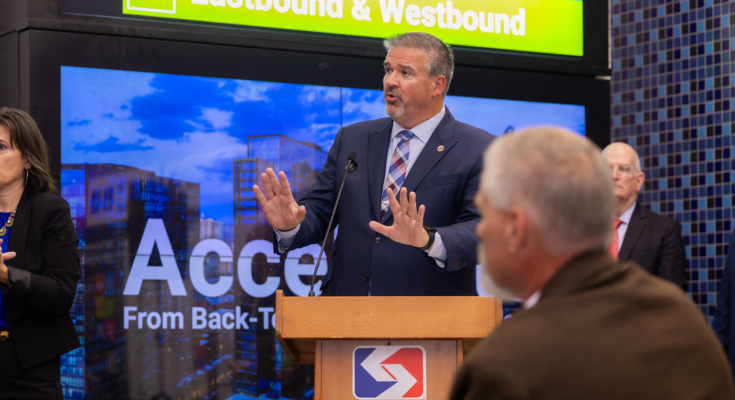
PHILADELPHIA, PA — SEPTA is proposing a decade-long modernization that would replace much of its aging rail fleet, sharply expand frequent service and make more stations accessible, but the transit authority has not attached a comprehensive price tag or binding implementation schedule to the plan as it faces a roughly $193 million structural budget gap.
The “Accelerate” plan calls for acquiring 230 Silverliner VI Regional Rail cars and providing trains every 15 minutes or better at nearly half of SEPTA’s approximately 150 stations. SEPTA has begun the formal bidding process for the new railcars.
For Chester County, the Regional Rail proposal carries particular significance because the Paoli/Thorndale Line is a primary transit connection between the county and Philadelphia. The materials released with the proposal do not specify which Chester County stations would receive 15-minute service.
The plan moves SEPTA beyond broad modernization goals by identifying specific fleet, frequency and accessibility targets, though many remain dependent on sustained government investment rather than fully funded capital commitments.
SEPTA also plans to purchase 200 new vehicles for the Market-Frankford Line, with deliveries expected to begin in 2029. New vehicles for the Broad Street Line and Norristown High Speed Line would follow.
The authority is separately moving ahead with 130 low-floor trolleys and accessible station improvements as part of its trolley modernization program.
On the bus system, SEPTA wants to increase the number of frequent routes from eight to 29 while investing in new transit centers. Combined with the rail improvements, SEPTA projects more than 2 million people would eventually live within a quarter-mile of frequent transit, up from about 900,000 currently.
Nearly half of the region’s jobs would also be within a quarter-mile of frequent transit, compared with about one-quarter today, according to SEPTA. The authority’s goal is for every trip to pass through an accessible station, up from about 60% currently.
The scale of the proposal comes as SEPTA continues to face a structural operating deficit. Its fiscal 2027 operating budget totals $1.84 billion, with the authority reporting that cost controls and additional revenue reduced its recurring gap from $213 million to about $192 million.
“After years of chronic underfunding, the moment to choose acceleration over managed decline is now,” SEPTA Board Chair Kenneth E. Lawrence Jr. stated.
The modernization plan does not establish a comprehensive cost estimate or guarantee that each component will be completed within the coming decade. SEPTA characterizes Accelerate as a vision requiring sustained investment from government funding partners.
General Manager Scott A. Sauer tied the proposal to the region’s economic competitiveness, arguing that more reliable and accessible transit could influence where residents work and where businesses invest.
“Our region deserves and demands a transit system that works better for more people,” Sauer stated.
Chester County Chamber of Business and Industry President and CEO Laura Manion specifically pointed to the Regional Rail component as important for county employers and commuters, citing workforce access and regional economic growth.
The proposal comes as SEPTA begins replacing aging vehicles across several modes. The authority has also secured a $13 million federal grant toward the planned Silverliner VI purchase, though that represents only a portion of the investment required for the broader Regional Rail replacement program.
Support the local news that supports Chester County. MyChesCo delivers reliable, fact-based reporting and essential community resources—free for everyone. If you value that, click here to become a patron today.