
PENNSYLVANIA — Rising grocery costs are pushing Pennsylvania households to reduce meat, seafood, and dairy purchases, with beef bearing the largest cutbacks and families increasingly turning to meat-free meals and cheaper proteins, according to a MarketBeat survey of 3,042 households.
The financial media company reported that 65% of respondents had reduced the amount or type of animal protein they bought during the previous 12 months because of grocery prices. MarketBeat estimated that rate would equate to about 3.43 million Pennsylvania households.
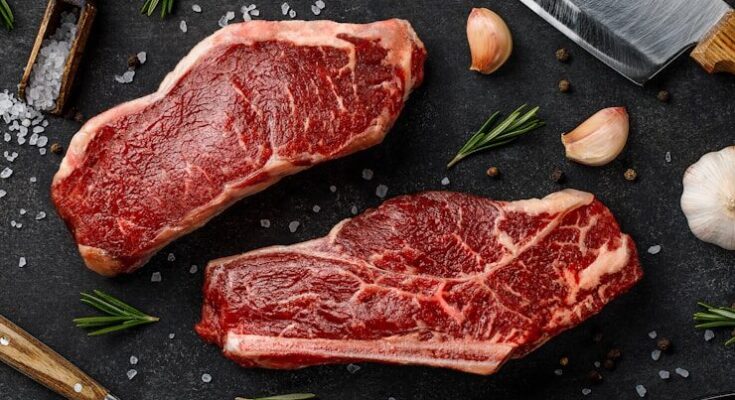
Beef emerged as the product most affected. Among respondents, 43% identified beef as the main protein they had reduced, compared with 10% for fish or seafood, 8% for chicken or turkey, 8% for pork and 7% for dairy.
Nearly half, or 47%, reported replacing beef with vegetarian proteins such as beans or lentils because of higher prices.
“For many people, meat and seafood have traditionally been treated as a basic part of the weekly grocery shopping, but these findings show that many households are now approaching it as an expense that must be carefully managed,” MarketBeat founder Matt Paulson stated.
The changes extend beyond substitutions at the supermarket. MarketBeat found 51% of respondents were serving meals without meat or fish at least twice a week specifically to reduce costs.
That included 10% who reported doing so daily, 13% four to six times a week and 28% two or three times a week. Another 16% served such meals once a week, while 22% reported never doing so specifically to save money.
The survey also found evidence that households are changing portion sizes. Fifty-eight percent of respondents reported having eaten a smaller portion or skipped a protein-rich food themselves so a child or another household member could have more.
“This may be the most concerning finding in the survey,” Paulson stated. “People are not only changing what they buy. Many are eating less themselves so someone else in the household can have more.”
Eggs were the most frequently cited lower-cost substitute, selected by 24% of respondents. Processed meats such as hot dogs or deli meat followed at 13%, beans at 12%, canned tuna or other canned fish at 9% and peanut butter at 8%.
Dairy products were the preferred fallback for 4%, protein powder for 3% and lentils for 2%. Another 24% reported having no regular budget alternative.
Price promotions are also exerting greater influence over household purchasing decisions. Among parents surveyed, 70% reported deciding which protein to buy primarily according to what was discounted that week.
That shift suggests weekly supermarket pricing is increasingly determining meal choices rather than consumers consistently purchasing preferred proteins.
The survey found 67% of respondents viewed rising prices as making meat, seafood and dairy feel more like luxury purchases than basic groceries. Nearly one-third, or 32%, also reported increased household disagreements about grocery spending because of the cost of those foods.
“More people are planning meals around what is affordable instead of what they would normally prefer to eat,” Paulson stated. “That is a pretty clear sign that household budgets are getting tighter.”
Support the local news that supports Chester County. MyChesCo delivers reliable, fact-based reporting and essential community resources—free for everyone. If you value that, click here to become a patron today.