
PHILADELPHIA, PA — Pennsylvania is expanding statewide outreach for substance use disorder treatment after its Get Help Now helpline connected more than 69,000 people directly with treatment providers over the past decade, state officials reported Thursday, Nov. 12, citing persistent disparities in overdose deaths and barriers to accessing care.
The Department of Drug and Alcohol Programs marked the helpline’s 10th anniversary with plans for a public awareness campaign targeting Pennsylvanians who face obstacles obtaining addiction treatment and recovery services.
Since launching in 2016, the confidential, around-the-clock service has received more than 150,000 calls, texts and online chats from people seeking assistance with substance use disorders.
More than 69,000 individuals have received direct transfers to treatment providers, while the service has assisted more than 11,000 uninsured Pennsylvanians and 800 veterans. Residents of all 67 Pennsylvania counties have used the program.
Nearly 19,000 people have been connected directly to treatment since Gov. Josh Shapiro took office in January 2023, including 9,000 referred to detoxification centers for immediate care and 3,250 connected to county drug and alcohol offices.
The figures reflect the state’s use of centralized treatment navigation to connect residents with local services, particularly those who may struggle to identify providers or obtain financial assistance.
Get Help Now operates 24 hours a day, seven days a week, providing confidential referrals to treatment facilities and other support services. Trained specialists can also direct callers to resources for help paying for treatment.
Department Secretary Dr. Latika Davis-Jones said the program’s reach demonstrates the importance of maintaining access to treatment information and referrals throughout the state.
“Behind every call to the Get Help Now helpline is a person who may be taking one of the most important steps of their life – asking for help,” Davis-Jones said.
The next phase of the program will focus on reaching populations that experience disproportionate rates of overdose deaths or face additional barriers to treatment.
Preliminary state data for 2025 show Black Pennsylvanians died from overdoses at more than twice the rate of white Pennsylvanians, a disparity officials cited in explaining the need for more targeted outreach.
The new awareness campaign is intended to increase knowledge of available treatment resources and encourage people who may otherwise delay seeking assistance to contact the helpline.
Megan Gross, program director at First Choice Services, said the program’s specialists help callers evaluate treatment options, with some staff members drawing on personal experience with substance use and long-term recovery.
“Many of our team members bring personal experience with substance use and long-term recovery to these conversations, offering an understanding that goes beyond providing information or referrals,” Gross said.
Beyond detoxification services, the helpline connects individuals with residential treatment programs, behavioral health facilities, counseling, support groups and other recovery resources.
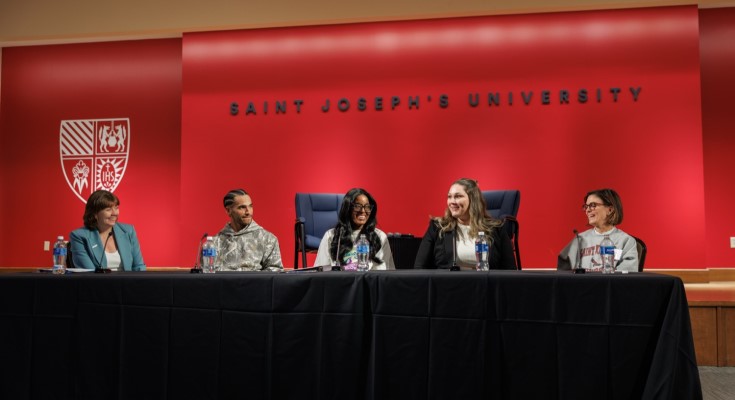
The anniversary event was organized in partnership with the Independence Blue Cross Foundation and Saint Joseph’s University, which receives foundation funding for its collegiate recovery program.
The partnership reflects efforts to expand recovery support beyond traditional treatment facilities, including services designed for students pursuing higher education while managing substance use disorders.
Heather Major, president and executive director of the Independence Blue Cross Foundation, said collegiate recovery programs now operate on 18 campuses across southeastern Pennsylvania.
“Collegiate recovery programs on 18 southeastern Pennsylvania campuses strengthen higher education and create pathways to economic mobility,” Major said.
Saint Joseph’s Collegiate Recovery Specialist Bevin McSorley said the university’s program provides students with peer support, resources and a community intended to help them maintain recovery while completing their education.
The event also featured Kellen Matthews-Thompson, founder of Kellen Runs Philly, who discussed his experience with recovery and his advocacy for peer support and reducing stigma surrounding addiction.
“I’m proof that recovery is possible,” Matthews-Thompson said. “Almost 10 years ago, I was fighting for my life. Today, I get to use that experience to help others find hope.”
Pennsylvanians seeking substance use disorder treatment or recovery assistance can contact the Get Help Now helpline at 1-800-662-HELP (4357).
Residents can also use Treatment Atlas, a free online and smartphone-based service that helps individuals confidentially locate treatment providers based on their needs.
Additional information about Pennsylvania’s substance use disorder treatment and overdose prevention programs is available at ddap.pa.gov.
Support the local news that supports Chester County. MyChesCo delivers reliable, fact-based reporting and essential community resources—free for everyone. If you value that, click here to become a patron today.