
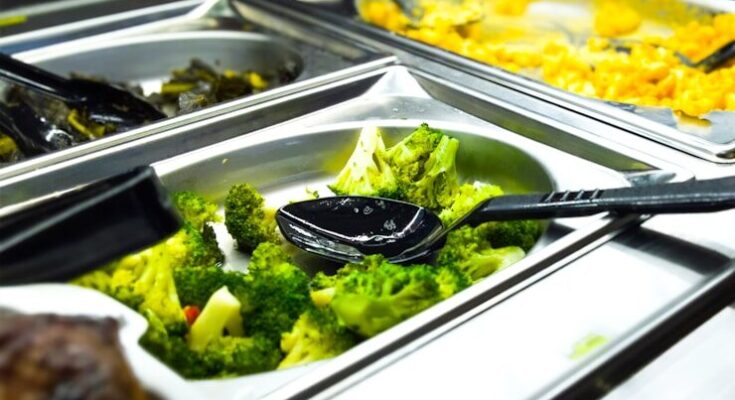
WASHINGTON, D.C. — The U.S. departments of Agriculture and Health and Human Services are directing up to $125 million toward school kitchens, local food procurement and nutrition research while expanding efforts to connect schools with American farmers and ranchers.
The initiative includes $50 million in new USDA funding for school cafeteria infrastructure, as much as $25 million in additional Farm to School grants for fiscal 2026 and $30 million from HHS for school-meal nutrition research. USDA also cited $20 million in recently announced National School Lunch Program Equipment Assistance Grants as part of the broader infrastructure investment.
The effort, called Harvest to Hallways, is intended to increase schools’ capacity to prepare meals on site while expanding markets for domestically produced food.
USDA plans an education and outreach campaign around the existing Local Option School Procurement Program, which can allow schools to receive reimbursement for purchases of locally produced foods. The department plans webinars and other guidance aimed at increasing use of the procurement pathway.
“If we want to Make America Healthy Again, we have to start with our children, and that means improving what we put on their lunch trays every single day,” Agriculture Secretary Brooke Rollins stated. She described the initiative as a way to connect schools with farmers and ranchers while improving kitchen capacity.
The $50 million infrastructure investment can be used by qualifying schools for equipment including cold storage and stoves, food-safety improvements and the establishment or expansion of School Breakfast Programs. Rollins and HHS Secretary Robert F. Kennedy Jr. also plan to encourage public-private partnerships to supplement federal funding.
USDA’s additional Farm to School funding will provide up to $25 million through the Patrick Leahy Farm to School Grant Program. The grants support the use of locally produced foods in child nutrition programs and are intended to create additional sales opportunities for agricultural producers.
Pennsylvania has previously participated in such efforts. USDA cited a Pennsylvania Beef Council project that worked with 175 schools to provide locally raised beef to nearly 300,000 students.
HHS separately plans to invest $30 million in research examining practical and cost-effective methods for improving the nutritional quality of school meals.
USDA and HHS will also encourage more states to adopt the Pledge for Healthier School Meals, which promotes nutrition practices aligned with the Dietary Guidelines for Americans 2025–2030.
“Every school meal should make a child healthier,” Kennedy stated, arguing that schools should have the resources to serve more nutrient-dense food while keeping meals affordable.
The federal agencies did not describe the initiative as imposing a new nationwide school-meal mandate. Instead, the measures combine grants, infrastructure spending, procurement assistance, research and voluntary state participation to alter how schools purchase and prepare food.
Support the local news that supports Chester County. MyChesCo delivers reliable, fact-based reporting and essential community resources—free for everyone. If you value that, click here to become a patron today.