
WASHINGTON, DC — The U.S. Department of Agriculture is giving farmers additional time to pay certain crop insurance bills and restoring an option for increased prevented-planting coverage as the agency responds to financial and operational pressures facing agricultural producers.
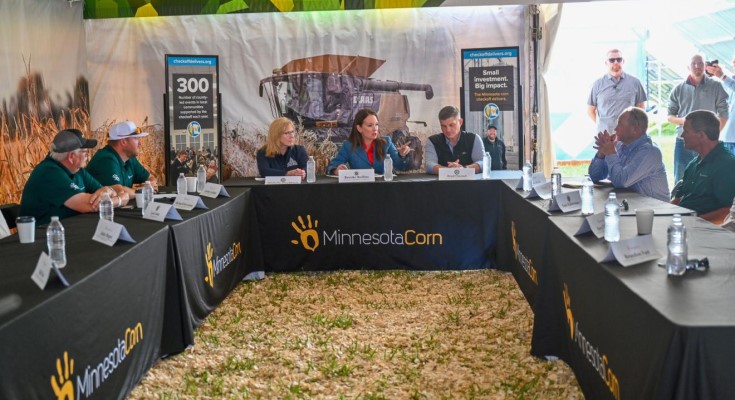
Agriculture Secretary Brooke Rollins outlined the measures last week at Minnesota Farmfest, alongside plans for nationwide listening sessions that will help shape a broader USDA effort to modernize agricultural data collection and reporting.
The most immediate financial relief comes through the USDA’s Risk Management Agency, which is authorizing approved crop insurers to give producers as many as 60 additional days to pay premiums, administrative fees and amounts owed under written payment agreements.
The flexibility applies to scheduled premium billing dates from July 1 through Sept. 30, 2026. Insurance providers may waive interest during the extension, with interest on unpaid premiums and administrative fees beginning only after the additional 60-day period expires or the policy reaches its termination date, whichever comes first.
RMA will also defer its collection of unpaid producer premiums and administrative fees from approved insurers beginning with the August monthly accounting cycle and waive associated interest.
The changes provide farmers additional time to manage insurance costs without immediately jeopardizing coverage or incurring interest charges during what USDA characterized as a challenging period for the agricultural sector.
“We’re modernizing how USDA serves farmers, providing commonsense flexibility when it’s needed most, and strengthening the risk management tools producers depend on,” Rollins stated.
USDA is separately restoring an option allowing insured producers to purchase an additional 5% of prevented-planting coverage. The option will become available beginning with crops tied to the Aug. 31, 2026, filing date for the 2027 and subsequent crop years.
Prevented-planting insurance provides protection when weather or other eligible conditions prevent farmers from planting crops by required deadlines. The additional coverage gives participating producers another layer of protection against losses stemming from those circumstances.
Approved insurance providers will contact affected policyholders about the payment relief and coverage changes, according to USDA. Farmers can also contact their local crop insurance agents for information about how the measures apply to individual policies.
The insurance changes come as USDA prepares a broader overhaul of its agricultural data operations. Rollins disclosed last month that the department is developing a Data Modernization Plan spanning multiple agencies, with publication expected later this year.
USDA’s Research, Education and Economics Mission Area, led by Under Secretary Scott Hutchins, is coordinating that effort.
As part of the process, USDA will hold listening sessions at agricultural events around the country to collect producer feedback about data collection, analysis and reporting. The department is seeking to improve survey participation and producer confidence in federal agricultural statistics.
Scheduled locations include the Indiana State Fair, Wisconsin State Fair, Penn State Ag Progress Days, Illinois State Fair, Dakotafest, Missouri State Fair, Iowa State Fair, Nebraska State Fair and Farm Progress Show.
The sessions follow a request for information issued earlier this year seeking public input on USDA data practices.
RMA administers the federal crop insurance system and related education programs, with policies covering more than 130 crops. The combination of temporary payment flexibility and expanded prevented-planting options represents USDA’s latest effort to adjust that system as producers contend with pressures across the agricultural economy.
Support the local news that supports Chester County. MyChesCo delivers reliable, fact-based reporting and essential community resources—free for everyone. If you value that, click here to become a patron today.