
WASHINGTON, D.C. — Retailers participating in the Supplemental Nutrition Assistance Program will soon be required to stock a wider range of staple foods under new federal rules aimed at expanding healthy food access and tightening oversight of stores authorized to accept SNAP benefits.
What This Means for You
- SNAP-authorized retailers must carry more varieties of staple foods beginning in Fall 2026.
- Stores will no longer be allowed to count some snack foods toward minimum stocking requirements.
- USDA says nearly 3,200 retailers have already faced enforcement actions under existing standards during the Trump administration.
The U.S. Department of Agriculture last week finalized updated stocking standards for retailers participating in SNAP, the federal nutrition assistance program formerly known as food stamps.
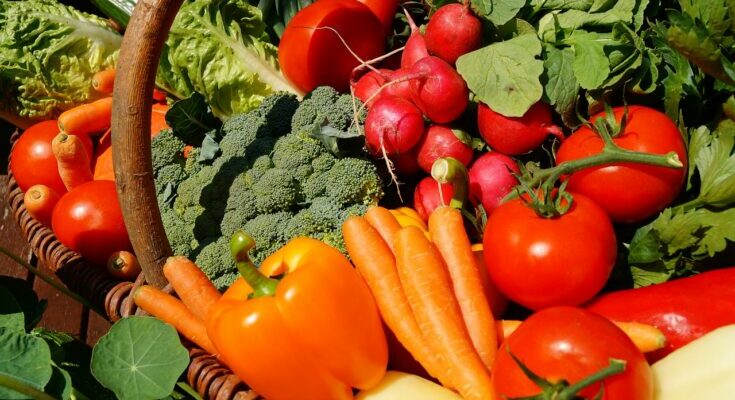
Under the new rule, participating stores must carry seven varieties of products across four staple food categories: protein, grains, dairy, and fruits and vegetables.
The revised standards more than double previous food variety requirements, increase perishable food expectations, and remove loopholes that previously allowed some snack foods to qualify toward staple food minimums.
Perishable foods are products with limited shelf life, such as fresh produce, dairy products, meat, and refrigerated items.
USDA officials said the rule is intended to improve access to nutritious food for SNAP recipients while increasing accountability among participating retailers.
Enforcement and Fraud Concerns
The department said the Food and Nutrition Service has taken action against nearly 3,200 retailers since the start of the Trump administration for either failing to meet stocking requirements during the application process or failing to maintain standards after authorization.
Retailers that fail to maintain compliance can be disqualified from accepting SNAP benefits.
Federal officials also linked the new standards to broader efforts to combat SNAP trafficking and program fraud.
Benefit trafficking refers to the illegal exchange of SNAP benefits for cash or unauthorized goods and services.
“These changes will not only ensure vulnerable families in need have more nutritious options wherever they shop but demand more accountability from retailers who not only have stocked the bare minimum, but have seen the most program violations,” the USDA said in the announcement.
Agriculture Secretary Brooke Rollins said the administration wants nutrition assistance programs to place greater emphasis on what she described as “real food.”
“SNAP authorized retailers accept over $90 billion a year, or $236 million a day, in taxpayer dollars — USDA is making sure they’re actually in the business of selling food,” Rollins said.
Retailers Face Operational Changes
The rule could particularly affect smaller convenience stores, corner stores, and rural retailers that historically operated with limited fresh food inventory while still participating in SNAP.
Health and Human Services Secretary Robert F. Kennedy Jr. described the changes as part of a broader administration effort focused on nutrition and public health outcomes.
“This rule puts real food back at the center of SNAP,” Kennedy said.
USDA said the new standards will officially take effect in Fall 2026, with additional retailer guidance expected in the coming weeks.
Support the local news that supports Chester County. MyChesCo delivers reliable, fact-based reporting and essential community resources—free for everyone. If you value that, click here to become a patron today.