
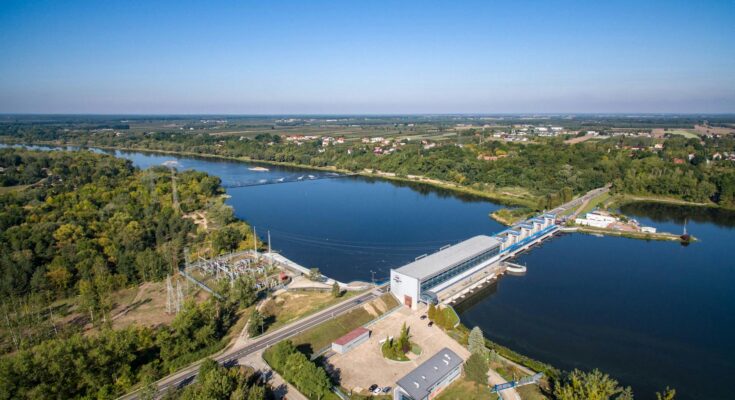
WASHINGTON, D.C. — Hydropower projects in Pennsylvania and across the country will gain additional time to move forward after President Donald Trump signed bipartisan legislation extending federal licensing deadlines for certain hydroelectric developments.
What This Means for You
- Eight Pennsylvania hydropower projects may receive additional time to begin construction.
- The new law allows six-year extensions for qualifying hydroelectric projects licensed before 2020.
- Supporters say the measure could add thousands of megawatts of electricity generation to the power grid.
U.S. Sens. John Fetterman (D-PA) and Steve Daines (R-MT) announced that the “Build More Hydro” bill, formally known as S.1020, was signed into law on Monday.
The legislation allows the Federal Energy Regulatory Commission, commonly known as FERC, to approve six-year construction deadline extensions for hydropower projects that received licenses before 2020.
FERC is the federal agency responsible for regulating interstate energy infrastructure projects, including hydroelectric dams and power generation facilities.
Supporters of the legislation said the extension is intended to help stalled or delayed hydropower developments move forward amid rising national electricity demand.
Pennsylvania Projects Included
According to the lawmakers, eight Pennsylvania projects are expected to benefit from the law:
- Allegheny Lock and Dam 2
- Emsworth Back Channel Dam
- Emsworth Locks and Dam
- Grays Landing Lock and Dam
- Maxwell (Point Marion)
- Monongahela Locks and Dam 4 (Charleroi)
- Montgomery Locks and Dam
- Point Marion Lock and Dam
Many of the listed facilities are existing lock and dam structures that could be retrofitted or expanded to generate hydroelectric power.
Hydroelectric generation produces electricity by using flowing water to turn turbines connected to power generators.
Fetterman described the legislation as a way to support domestic energy production in Pennsylvania.
“This extension for our hydro projects keeps domestic energy production in our commonwealth,” Fetterman said in a statement.
Supporters Cite Grid Demand
Backers of the measure argued the extension will help increase long-term electricity generation capacity as utilities and grid operators face rising energy demand from population growth, industrial expansion, and data center development.
Daines said the legislation would help “revive critical hydro projects and increase domestic energy production.”
Rep. Dan Newhouse (R-WA), who introduced companion legislation in the House, said the law could eventually help add more than 2.5 gigawatts of electricity generation capacity nationwide.
Baseload power refers to electricity sources capable of providing continuous and stable energy generation over long periods.
Hydropower supporters have increasingly promoted hydroelectric generation as a reliable baseload energy source because dams can typically produce electricity continuously regardless of weather conditions.
Industry Groups Backed the Bill
The legislation received support from several energy and hydropower organizations, including the National Hydropower Association, Rye Development, Advanced Hydro Solutions, Pumped Storage Hydro Project, and CEBA.
National Hydropower Association President and CEO Malcolm Woolf said the law could help support approximately 2,600 megawatts of hydropower development and an estimated $6.5 billion in private investment.
Federal officials and lawmakers did not specify when individual Pennsylvania projects could begin construction or receive extension approvals under the new law.
Support the local news that supports Chester County. MyChesCo delivers reliable, fact-based reporting and essential community resources—free for everyone. If you value that, click here to become a patron today.