
HARRISBURG, PA — Pennsylvania’s first comprehensive assessment of women’s economic and social conditions in more than two decades is calling for statewide paid family and medical leave, healthcare staffing standards and expanded protections against workplace discrimination, according to a report released by the Shapiro administration Wednesday, November 18.
The 2026 State of the Woman Report, developed by the Governor’s Advisory Commission on Women, examines persistent disparities in economic security, healthcare, workforce participation, caregiving and public safety. Its recommendations could shape future legislative priorities, employer practices and state funding decisions.
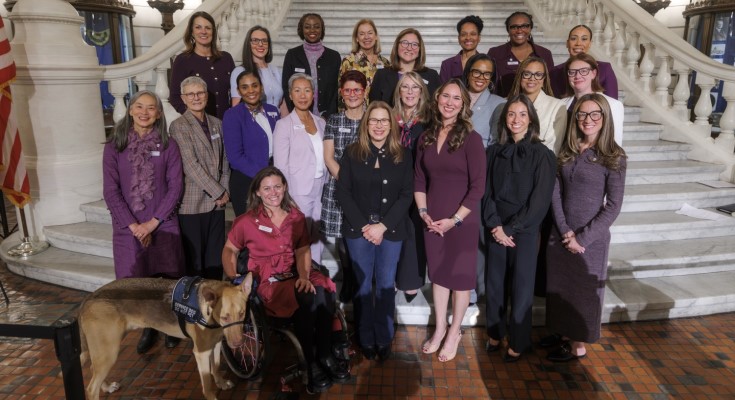
First Lady Lori Shapiro and commission Executive Director Ashley Walkowiak presented the findings alongside advocates and stakeholders in Harrisburg.
The assessment draws on 10,814 survey responses from women in all 67 Pennsylvania counties, a 13-stop statewide listening tour and historical research examining changes since the commonwealth’s inaugural women’s status report in 1966. The previous comprehensive assessment was published in 2004.
Among its principal recommendations is legislation establishing paid family and medical leave, allowing workers to take time off for childbirth, illness, family caregiving or domestic violence without jeopardizing their economic stability.
The report also recommends evidence-based staffing standards for nurses and other frontline healthcare professionals, citing patient safety, employee burnout and workforce retention as concerns.
Additional proposals include expanding employer education on harassment and discrimination, investing in school-based mental health services and increasing access to legal representation for survivors of domestic violence.
The commission also recommends additional funding for emergency shelters, transitional housing, rental assistance and employment services for survivors.
“To truly understand women’s health and well-being, we must value lived experience alongside statistics, ask for whom outcomes differ, and work collaboratively across sectors to address the barriers women continue to face,” said Janine Jelks-Seale, director of health equity at UPMC Health Plan.
The findings place particular emphasis on the relationship between economic stability and women’s ability to participate in the workforce.
“When women are able to fully participate in the workforce and are financially stable, their families, their businesses and our whole commonwealth are stronger for it,” said Michelle Mikitish, president of the Greater Pittston Chamber of Commerce.
The Pennsylvania Coalition Against Domestic Violence also urged lawmakers to consider the report when allocating funding for legal services.
“Access to legal services can be the difference between remaining in an unsafe situation and finding a path to safety,” said Kelsie Massini, the coalition’s legal policy manager.
The report follows several initiatives undertaken during Gov. Josh Shapiro’s administration, including expanding the childcare tax credit, providing free menstrual products in schools, doubling funding for rape crisis centers and developing a multiagency strategy to address maternal mortality.
Shapiro re-established the Governor’s Advisory Commission on Women through an executive order in June 2023, assigning it responsibility for evaluating programs affecting women and advising the administration on their needs.
The commission intends the new assessment to inform decisions by lawmakers, employers, community organizations and public agencies addressing women’s economic opportunities, health and safety.
Support the local news that supports Chester County. MyChesCo delivers reliable, fact-based reporting and essential community resources—free for everyone. If you value that, click here to become a patron today.