
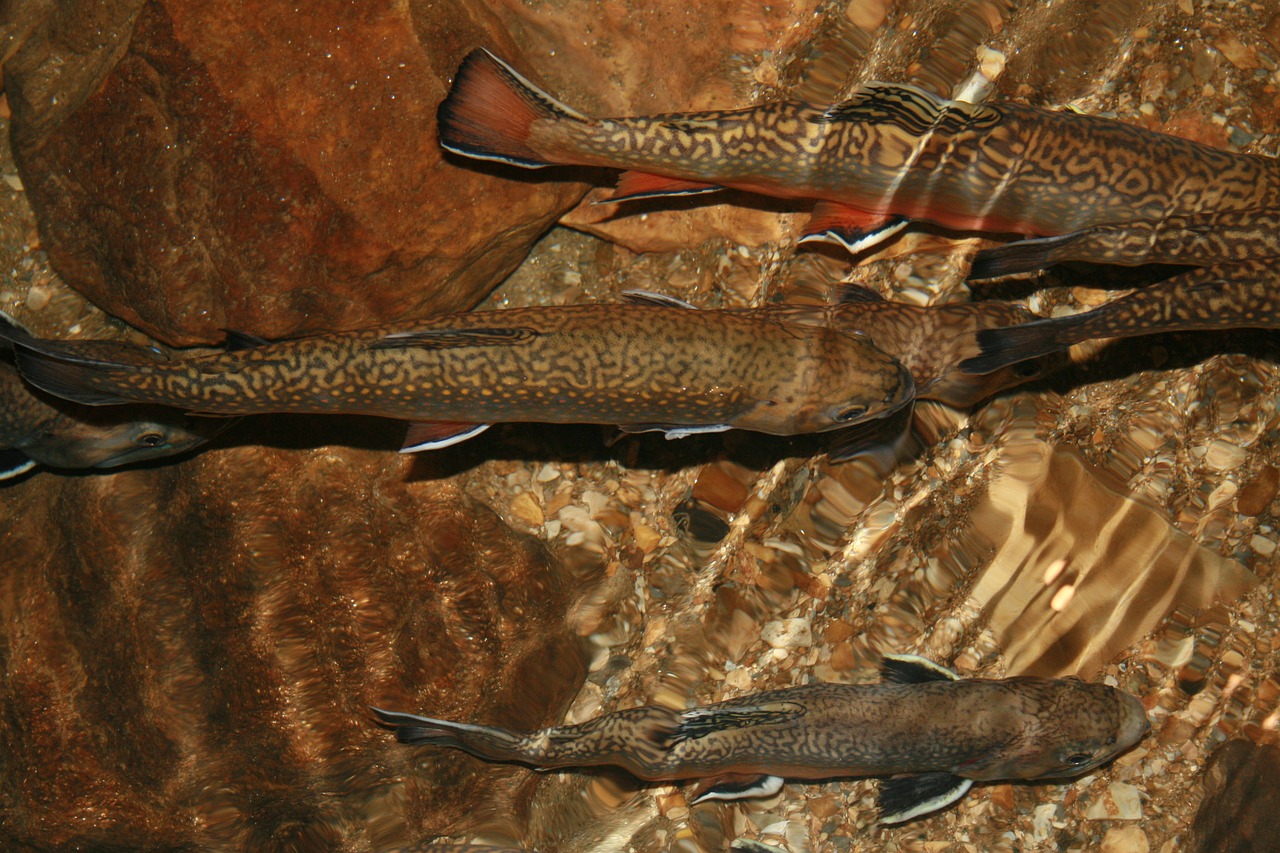
HARRISBURG, PA — Pennsylvania will raise the minimum harvest size for trout from seven to nine inches beginning Jan. 1, 2027, a regulatory change intended to protect more than 99% of the state’s wild Brook Trout while leaving most stocked-trout harvest largely unaffected.
The Pennsylvania Fish and Boat Commission gave final approval to the rule during its quarterly meeting in Harrisburg.
The statewide minimum had remained at seven inches since 1983. Commission staff determined through a decade of electrofishing survey data that the higher threshold would sharply reduce the harvest of wild Brook Trout.
The agency reported that 85% of respondents to its 2023 Pennsylvania Trout Angler Survey supported increasing the minimum size to nine inches for that purpose.
The change is expected to have little effect on anglers keeping stocked trout because fish produced at state hatcheries average about 11 inches, with cooperative nurseries generally stocking trout of a similar size.
Commissioners also approved new catfish rules for the Ohio River Basin that will take effect Jan. 1, 2027.
Blue Catfish will be subject to catch-and-release regulations, while anglers may keep four Flathead Catfish per day, including no more than one measuring at least 35 inches.
The restrictions replace a 50-fish daily catfish limit with no minimum size. The commission cited efforts to protect reintroduced Blue Catfish, prevent excessive Flathead Catfish harvest and conserve trophy-sized fish.
Although Blue Catfish are native to the Ohio River Basin, the commission considers them invasive in Pennsylvania’s Atlantic Slope waters, including the Delaware, Potomac and Susquehanna river basins and Lake Erie. Stocking the species in state waters is illegal.
The board separately adopted a formal method for measuring fish length, bringing Pennsylvania into compliance with Atlantic States Marine Fisheries Commission requirements for Atlantic Striped Bass.
Under the definition, total length will be measured in a straight line from the forward tip of the closed jaw or snout to the farthest point of the tail, with the upper and lower tail lobes pressed together.
That rule will apply to all fish species after publication of a second notice in the Pennsylvania Bulletin.
Commissioners also removed a one-mile stretch of Yellow Breeches Creek in Cumberland County from the Catch-and-Release Artificial Lures Only Program after the landowner began requiring permits, restricting fishing hours and imposing separate gear rules.
The commission previously removed the section from the Stocked Trout Waters Program because qualifying waters must provide unrestricted public fishing access. Two other sections totaling 43.7 miles will remain in the stocking program.
The board approved the addition of 12 waters to the state’s Class A wild trout stream list and 56 waters to its broader wild trout stream list. It also revised the boundaries of four listed waters and amended one stream name.
In commercial fishing regulations, commissioners increased from two to three the number of licensed trap netters permitted to work from the same boat. Pennsylvania has three licensed commercial trap netters, all operating on Lake Erie to harvest Yellow Perch.
Boating-related actions included defining “public property” for enforcement of abandoned and derelict vessel regulations and allowing temporary boat-registration issuing agents to provide bank letters of credit or other security instead of bonds.
The board also approved procedural rules governing advance public comments for virtual committee meetings and the initial review of petitions seeking new regulations.
Commissioners authorized publication of a separate proposal that would establish a general internal appeals process for people challenging commission actions not covered by existing appeal rules.
The commission also approved three public-access easements along Walnut Creek in Erie County.
It will pay $14,000 to Asbury Woods Partnership for access and aquatic-resource management rights along 730 feet of the creek and $5,750 for an easement covering another 312 feet.
A third easement covers about 3,600 feet at Bridger Park in Millcreek Township, where a previously funded $97,000 project added habitat improvements, parking, a fishing pier and an access trail. No additional payment will be required.
During the meeting, the commission reported that officers made 10 boating-under-the-influence arrests during Operation Dry Water from July 3 through July 5. One operator had a reported blood-alcohol concentration of 0.224%, nearly three times Pennsylvania’s 0.08% impairment threshold.
Sixty-five Waterways Conservation Officers and 23 deputies also issued 362 boating citations and 868 warnings during the enforcement campaign.
Eight new Waterways Conservation Officers graduated July 17 and began full-time assignments across Pennsylvania.
The board selected District 4 Commissioner Donald K. Anderson of Meyersdale as president and District 7 Commissioner William Gibney as vice president. Both will serve through July 2027.
Steve Ketterer of Harrisburg also joined the board as a boating at-large commissioner, succeeding Richard Lewis of Gettysburg, who had served since 2017.
The commission’s final quarterly business meeting of 2026 is scheduled for Oct. 26 at its headquarters, 1601 Elmerton Ave. in Harrisburg. A meeting time has not yet been set.
Boating-safety information is available at Fishandboat.com.
Support the local news that supports Chester County. MyChesCo delivers reliable, fact-based reporting and essential community resources—free for everyone. If you value that, click here to become a patron today.