
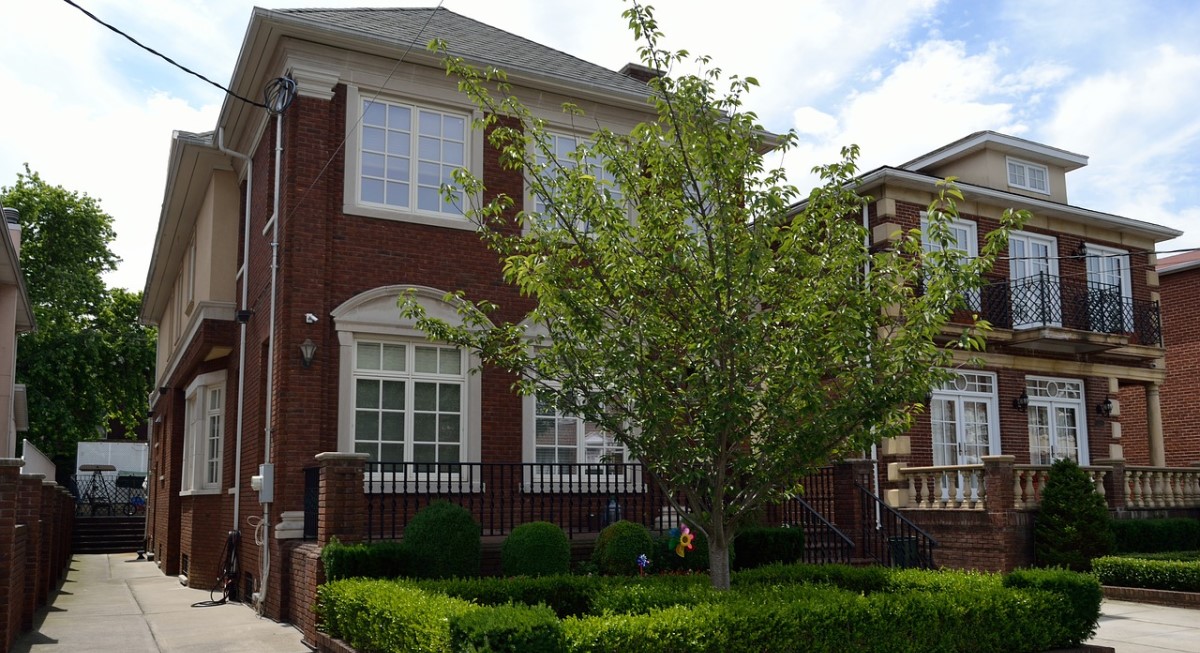
PENNSYLVANIA — Lancaster, Reading, Harrisburg and York have ranked among the nation’s 20 strongest housing markets for fall 2026, according to a new Wall Street Journal and Realtor.com analysis that found buyers increasingly favoring smaller metropolitan areas as rising mortgage rates put additional pressure on affordability.
Lancaster ranked fifth nationally, followed by Reading at No. 7, Harrisburg at No. 10 and York at No. 17. Pennsylvania placed four metropolitan areas in the top 20, reinforcing the state’s position among the Midwest and Northeast markets attracting buyers seeking relatively affordable housing and favorable economic conditions.
The Fall 2026 Wall Street Journal/Realtor.com Housing Market Ranking evaluated the nation’s 200 most populous metropolitan areas using housing demand, inventory conditions, prices, economic performance and quality-of-life indicators.
The results come as borrowing costs have climbed substantially. The average 30-year fixed mortgage rate reached 7.40%, compared with 6.27% a year earlier, increasing monthly principal-and-interest payments by approximately 12% for the same loan amount.
At the current rate, home prices would need to decline roughly 11% to return typical monthly payments to year-earlier levels, according to Realtor.com.
“Higher mortgage rates have made the affordability challenge more acute, but they have also sharpened the search for markets where buyers can get more value for their money,” Hannah Jones, senior economist at Realtor.com, stated.
The rankings reflect a geographic concentration of housing-market strength outside the nation’s largest metropolitan areas. Nineteen of the 20 highest-ranked markets are in the Midwest or Northeast, with Lynchburg, Virginia, the only exception.
Lancaster and Reading benefit from their proximity to Philadelphia, offering access to a major regional employment center while providing alternatives to housing costs in larger metropolitan areas.
Across the top 20 markets, the average population was approximately 523,000, compared with 1.3 million among all 200 metropolitan areas evaluated.
Homes in the highest-ranked markets spent an average of 41 days on the market in September, compared with the national average of 61 days, indicating stronger buyer demand despite higher borrowing costs.
Affordability also distinguished the leading markets. In 15 of the top 20, typical monthly principal-and-interest payments based on September home prices were below the national benchmark of $2,863, assuming a 7.40% mortgage rate.
The lowest payments among the leading markets included $1,820 in Canton, Ohio, $1,834 in Rockford, Illinois, and $2,202 in South Bend, Indiana.
Housing prices increased from a year earlier in 11 of the top 20 markets, even as the national median listing price declined 1.4% in September.
Realtor.com attributed the relative strength of these markets partly to lower starting home prices, while increasing inventory and more frequent price reductions have provided some buyers with additional negotiating opportunities.
Appleton, Wisconsin, secured the top position nationally, followed by South Bend, Indiana; Canton, Ohio; and Manchester, New Hampshire.
Appleton’s median listing price reached $404,950 in September, up 1.3% from a year earlier but below the national median of $419,250.
The Wisconsin metropolitan area also recorded a 2.8% unemployment rate, compared with the 4.2% average across the ranked markets. Its cost of living was approximately 8% below the national average.
Active listings in Appleton more than doubled from a year earlier to 695 properties, while homes spent a median of 40 days on the market.
The rankings also showed considerable movement between summer and fall. Fourteen of the current top 20 markets retained their positions within the leading group, while six entered the rankings.
Bridgeport, Connecticut, recorded the largest improvement, climbing 33 positions to No. 15. Portland, Maine, rose 32 places to No. 14, while Waterbury, Connecticut, advanced 26 positions to No. 6.
Grand Rapids and Kalamazoo, Michigan, and Hartford, Connecticut, also entered the top 20.
Youngstown, Ohio, experienced one of the largest declines, falling from No. 16 during the summer to No. 56 in the fall.
Despite the national slowdown, regional housing conditions remain uneven.
Realt.com’s Market Clock, which assesses the balance between buyers and sellers, placed the national market in October at 4 o’clock, indicating a late-balanced market moving toward more favorable conditions for buyers.
The Midwest remained predominantly favorable to sellers, while markets in the South and West were generally more balanced. None of the Northeast metropolitan areas analyzed qualified as buyer markets.
Hartford stood out as the strongest seller-oriented market, with only 12.6% of listings carrying price reductions and the only 12 o’clock reading, the tool’s peak-seller designation.
The housing ranking assigns 60% of its overall score to real estate conditions and 40% to economic health and quality of life.
Housing measures include property demand, time on market, listing price trends, property taxes and climate-related property risks.
Economic and livability measures include unemployment, wages, regional price levels, the foreign-born population share, small-business activity, access to amenities and commuting times.
The analysis uses metropolitan area definitions established under July 2023 federal delineation standards and population data from the U.S. Census Bureau.
For Pennsylvania, the presence of Lancaster, Reading, Harrisburg and York among the nation’s highest-ranked markets underscores the continuing appeal of regional housing markets where employment access, living costs and housing demand remain comparatively favorable despite elevated mortgage rates.
Support the local news that supports Chester County. MyChesCo delivers reliable, fact-based reporting and essential community resources—free for everyone. If you value that, click here to become a patron today.