
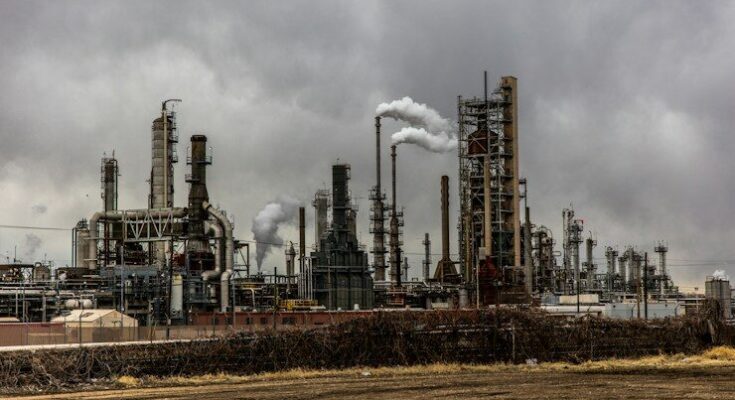
PHILADELPHIA, PA — Pennsylvania is projected to add 4.4 gigawatts of grid-connected natural gas generation by the end of 2030, an increase of almost 15% from its existing gas-fired capacity as rising electricity demand from data centers reshapes plans for the state’s power supply.
The projection comes from an analysis by PennEnvironment Research & Policy Center and Frontier Group using newly released U.S. Energy Information Administration data. Pennsylvania ranks behind only Texas and Louisiana in planned gas-generation additions through 2030.
The expansion comes as Pennsylvania faces a growing pipeline of data center projects. PennEnvironment counted 70 existing data centers in the state and another 91 proposed, linking much of the expected increase in gas generation to rising electricity demand from grid-connected facilities.
The EIA data cover generators planned for connection to local or regional electric grids. They do not include gas plants that data center operators may build on-site to supply their own facilities.
Nationally, planned grid-connected gas capacity through 2030 has climbed to 60.4 gigawatts across 32 states and Washington, D.C., according to the analysis. That is up 44% from the 41.8 gigawatts anticipated in December 2025 and nearly triple the 20.4 gigawatts projected in January 2023.
Texas accounts for about one-third of the planned national additions, with 20 gigawatts, followed by Louisiana at 6.6 gigawatts, Pennsylvania at 4.4 gigawatts, Oklahoma at 3 gigawatts and Mississippi at 2.6 gigawatts. Together, those five states represent 61% of planned additions.
The growth coincides with a sharp increase in electricity consumption by data centers. Lawrence Berkeley National Laboratory estimates the facilities accounted for 4.7% of U.S. electricity demand in 2024, up from 1.9% in 2018. The lab projects the share could reach 9.5% to 15.3% by 2030.
PennEnvironment argues the trend could extend reliance on fossil-fuel generation because combined-cycle gas plants typically operate for 25 to 30 years. The environmental advocacy organization is calling for a moratorium on new data centers in Pennsylvania.
“The proposals for new gas plants put forward by tech companies and utilities for new data centers would condemn another generation of Pennsylvanians to health-harming and planet-warming pollution,” Flora Cardoni, deputy director of PennEnvironment Research & Policy Center, said.
The analysis also points to a divergence between gas and renewable-generation plans. Expected additions of solar power and battery storage have stopped rising at the pace previously recorded, while planned wind additions have fallen 33.9% since December 2025.
Solar nevertheless remains the largest anticipated source of new U.S. generating capacity. By 2030, however, the analysis found three times as much new natural gas capacity as wind capacity is planned for the grid, reversing the relationship seen as recently as December 2024.
PennEnvironment also cited potential public-health effects from greater fossil-fuel generation. Natural gas plants emit nitrogen oxides that contribute to ozone formation and particulate pollution, while methane can escape during gas production and transportation.
A separate modeling study cited by the organization estimated that, under a high-growth scenario, pollution from fossil-fuel power plants, on-site gas turbines and backup diesel generators serving data centers could contribute to roughly 600,000 asthma symptom cases and about 1,300 premature deaths annually by 2028.
The EIA figures used in the analysis reflect planned grid-connected generation reported in the agency’s July 2026 Electric Power Monthly data and published in September.
The PennEnvironment and Frontier Group analysis, including an interactive map of planned generating capacity, is available at https://environmentamerica.org/center/resources/data-centers-are-driving-a-surge-in-fossil-fuel-plants/.
Support the local news that supports Chester County. MyChesCo delivers reliable, fact-based reporting and essential community resources—free for everyone. If you value that, click here to become a patron today.