
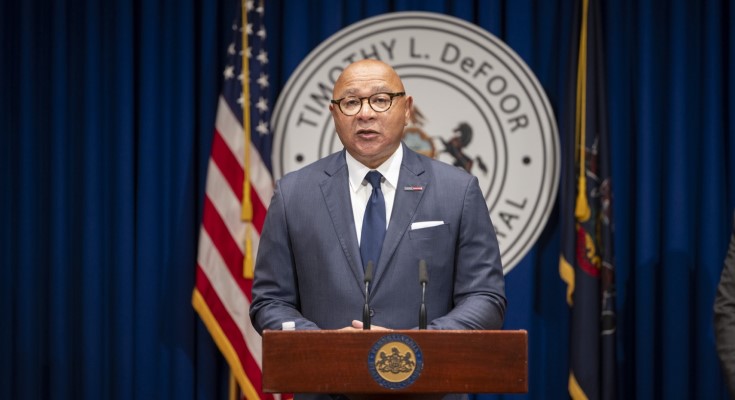
HARRISBURG, PA — Pennsylvania’s Turnpike Commission has strengthened its financial position since a 2022 state audit but continues to face heavy debt obligations and hundreds of millions of dollars in unpaid tolls, according to a new performance audit released by Auditor General Timothy L. DeFoor.
The audit, covering June 1, 2022, through May 31, 2025, produced five findings and 19 recommendations addressing the commission’s finances, toll collection and debt-management practices.
Auditors found $229 million remained owed to the commission by in-state and out-of-state travelers from June 2024 through May 2025, reflecting continuing collection problems since Pennsylvania converted the Turnpike to all-electronic tolling in June 2020.
The report found significant increases in both bad-debt expense and amounts classified as uncollected or unbillable tolls following the conversion.
Although lawmakers and the commission have added enforcement measures since the previous audit, auditors concluded those efforts had not translated into collection of the outstanding toll revenue.
“We made 19 recommendations to improve the financial status of the Turnpike and collect the money it is owed,” DeFoor stated. “The fact remains, the Turnpike Commission didn’t get into this situation alone, and the legislature and Governor need to help improve its financial viability.”
Among the recommendations, auditors called for closer monitoring of the commission’s two debt-collection agencies and potentially adding additional agencies if recovery rates do not improve.
The audit also recommended considering additional payment methods such as Venmo and Cash App and exploring whether unpaid toll bills could be reflected in travelers’ credit records.
Debt remains another central concern. Auditors found the commission continues to face pressure from obligations created by Acts 44 and 89, which require it to make payments to the Pennsylvania Department of Transportation.
The commission still owes PennDOT another $1.6 billion through 2057 under that structure, according to the Auditor General’s office.
DeFoor said the Turnpike’s debt remains greater than Pennsylvania’s entire general-obligation debt for government activities, attributing much of that burden to the statutory payments imposed under Acts 44 and 89.
At the same time, the audit identified financial improvements since 2022. The commission has made progress reducing debt, its credit rating has improved and the lower annual PennDOT payment has allowed additional investment in Turnpike improvements beyond routine maintenance.
“I am pleased to say that a lot has improved since our first audit in 2022,” DeFoor stated.
The commission nevertheless faces continuing revenue pressure because toll proceeds must support PennDOT payments, debt service and capital spending, auditors found.
Those obligations are expected to keep tolls rising for decades. The audit found that annual toll increases associated with the Act 44/89 financial structure are expected to continue through 2055, maintaining pressure on motorists.
The report also examined Open Road Tolling, finding that the system’s new pricing formula produced both increases and decreases in toll rates for passenger and commercial vehicles.
Auditors determined that the revised structure aligned the Pennsylvania Turnpike with industry practices that calculate tolls based on factors including the number of axles and vehicle height.
Another recommendation calls for creation of a task force to develop potential legislation aimed at reducing the Turnpike’s debt burden.
DeFoor argued that addressing the commission’s long-term finances will require action beyond the agency itself, including involvement from the General Assembly and governor.
Support the local news that supports Chester County. MyChesCo delivers reliable, fact-based reporting and essential community resources—free for everyone. If you value that, click here to become a patron today.