
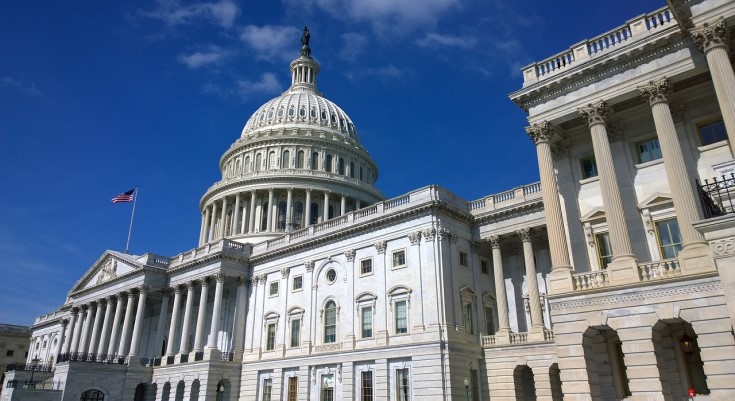
WASHINGTON, D.C. — A bipartisan group of U.S. senators on Tuesday unveiled sweeping legislation designed to tighten the vise on Russia’s primary source of war funding by targeting the global network of buyers, shippers, and intermediaries who continue to deal in Russian oil.
The Decreasing Russia Oil Profits Act of 2025, known as the DROP Act, was introduced by Sen. Dave McCormick, a Pennsylvania Republican, alongside Sens. Elizabeth Warren of Massachusetts, Chris Coons of Delaware, and Jon Husted of Ohio. The bill would mandate targeted sanctions on any individual or entity worldwide that purchases, transports, or otherwise facilitates the trade of Russian-origin oil.
Lawmakers backing the bill said Russia’s oil revenues remain the Kremlin’s financial backbone as President Vladimir Putin presses on with the war in Ukraine, despite existing sanctions and price caps imposed by the United States and its allies.
“Any nation or entity that buys Russian oil is actively funding Russia’s aggression in Ukraine,” McCormick said, arguing that continued purchases should carry tangible consequences. He said the legislation is meant to isolate Russian petroleum from global markets while reinforcing support for Ukraine.
The DROP Act builds on sanctions imposed by the Trump administration in October against two major Russian oil companies. Lawmakers said Moscow has already worked to circumvent those measures by rerouting and relabeling exports, often through third countries. Since January, they said, the United States has halted regular counter-evasion sanctions against companies in China and elsewhere that profit from those workarounds.
Under the proposal, anyone dealing in Russian oil would face exclusion from the U.S. financial system, a penalty senators described as one of Washington’s most powerful enforcement tools. The bill targets purchasers, brokers, insurers, shipping firms, and other intermediaries involved in the oil trade.
At the same time, the legislation gives the administration flexibility to waive sanctions under limited circumstances meant to advance U.S. and Ukrainian interests. The administration could select up to two exception frameworks, including allowing purchases if proceeds are paid into an escrow account that isolates Russian revenues, or if importers pay a per-barrel fee into a fund to support Ukraine’s defense.
Additional exceptions could apply to countries providing significant military or economic aid to Ukraine or through temporary, port-specific waivers designed to ramp up pressure over time. None of the exceptions would apply to oil purchased above the G7 price cap, regardless of where the transaction occurs.
Warren said the bill sends a clear signal that attempts to evade sanctions will not protect those facilitating Russian oil exports. Husted said the measure confronts what he called the hypocrisy of nations that denounce Moscow’s actions while continuing to bankroll its war through energy purchases. Coons said sustained pressure on oil revenues is essential to forcing an end to the conflict and moving toward what he described as a just and lasting peace.
If enacted, the DROP Act would represent one of Congress’s most aggressive efforts yet to sever Russia’s oil income from the global economy, widening the reach of U.S. sanctions far beyond Russia’s borders.
Support the local news that supports Chester County. MyChesCo delivers reliable, fact-based reporting and essential community resources—free for everyone. If you value that, click here to become a patron today.