
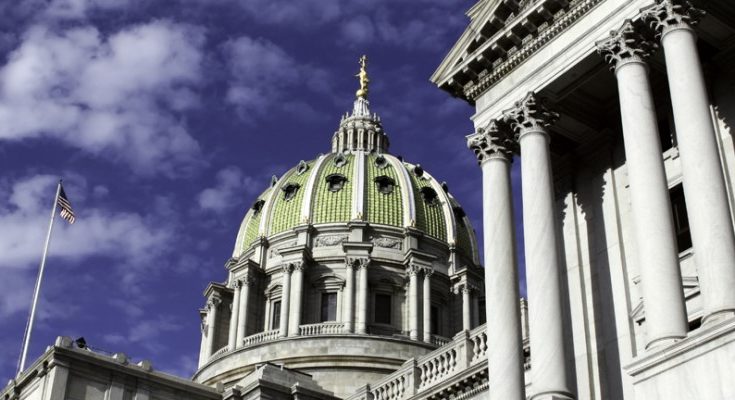
HARRISBURG, PA — The Pennsylvania House on Wednesday approved a bipartisan bill aimed at speeding medical release for the state’s rapidly aging prison population, a move supporters say could save lives and millions of dollars while preserving public safety.
Lawmakers voted 111-92 to pass House Bill 150, sponsored by Rep. Rick Krajewski, a Democrat from Philadelphia, and Rep. Torren Ecker, a Republican from Adams and Cumberland counties. The measure seeks to streamline Pennsylvania’s notoriously slow compassionate release process for seriously ill and elderly inmates.
Advocates say the current system has failed to keep pace with a graying prison population. More than 27 percent of incarcerated people in Pennsylvania are classified as geriatric, yet only 54 individuals have been granted compassionate release over the past 15 years. During that same period, 11 inmates died while waiting for a hearing.
“Those are 11 people who could’ve spent their last days at home with family and loved ones,” Krajewski said. “Eleven people who posed no threat to society whatsoever.”
The legislation would establish a more structured review process for early medical release, requiring consideration of time served, disciplinary history, victim input, and an inmate’s physical condition. Similar reforms have been enacted in states including Maryland and North Carolina.
The bill has drawn support from an unusual coalition of criminal justice reform advocates and fiscal conservatives. Supporters point to mounting costs tied to elderly incarceration, estimating the measure could save taxpayers up to $15 million annually by reducing expensive end-of-life medical care behind bars.
“Corrections is our state’s third biggest area of spending, and the Department has named the overwhelming cost of care for our aging prison population as one of their biggest fiscal challenges,” Ecker said. He described the proposal as a bipartisan, cost-saving approach modeled in part on the federal First Step Act signed into law in 2018.
According to the Department of Corrections, Pennsylvania’s geriatric inmate population has increased by 300 percent since 2001, with more than 7,000 elderly individuals now incarcerated. The state spent more than $426 million on prison medical care during the 2023-24 fiscal year, including $40.5 million for elderly inmates at risk of death.
“Many of them are dying in prison,” said Robert Saleem Holbrook, executive director of the advocacy group Straight Ahead. He said House Bill 150 would offer a meaningful opportunity for aging inmates to demonstrate rehabilitation and seek release when continued incarceration serves little purpose.
Krajewski called passage in the House a significant milestone, crediting bipartisan lawmakers and grassroots organizations for pushing the issue forward. He said attention now turns to the Senate, where supporters are urging swift consideration.
The bill’s future will be decided in the upper chamber, where lawmakers are expected to weigh concerns about public safety, costs, and compassion as Pennsylvania confronts the realities of an aging prison system.
Support the local news that supports Chester County. MyChesCo delivers reliable, fact-based reporting and essential community resources—free for everyone. If you value that, click here to become a patron today.