
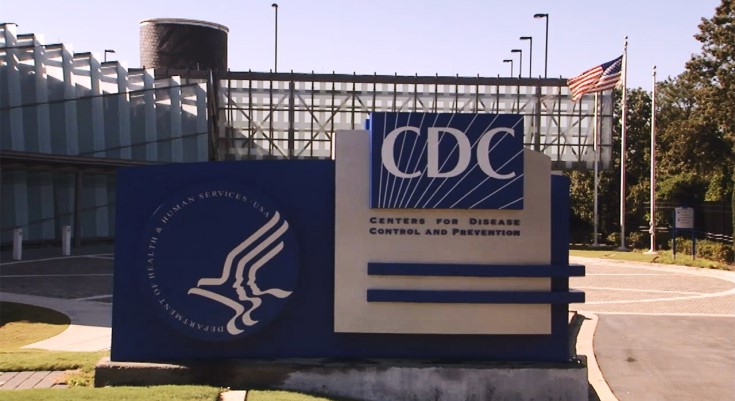
ATLANTA, GA — Federal health officials made two consequential moves this month affecting infant health, as advisers voted to loosen long-standing guidance on newborn hepatitis B vaccination while investigators expanded a rare and unprecedented outbreak of infant botulism linked to a popular baby formula.
On Dec. 5, the Centers for Disease Control and Prevention’s Advisory Committee on Immunization Practices voted 8–3 to recommend shared clinical decision-making for parents considering the hepatitis B vaccine birth dose for infants born to mothers who test negative for the virus. The recommendation allows parents, in consultation with health care providers, to weigh vaccine benefits, potential risks, and individual infection exposure before deciding whether and when to begin the vaccine series.
Under the new guidance, infants who do not receive the birth dose would receive their first hepatitis B shot no earlier than two months of age. The committee said parents and clinicians should consider factors such as household exposure risks, including contact with individuals who have hepatitis B or who emigrated from regions where the virus is more common.
ACIP also recommended that parents consult health care providers about whether to test antibody levels when determining the need for additional hepatitis B doses, using serology to assess whether a child has adequate protection.
Committee members said the recommendation maintains insurance coverage across all major payment systems, including Medicaid, the Children’s Health Insurance Program, Medicare, and the federal Vaccines for Children Program. Earlier this fall, ACIP also voted to recommend hepatitis B testing for all pregnant women, a test already covered by insurance.
The vote followed presentations reviewing hepatitis B disease trends, vaccine safety data, and international immunization practices. Experts noted that the United States is an outlier among low-prevalence countries in recommending a universal birth dose, and that declines in hepatitis B infections since the 1980s have been driven largely by improved blood screening, dialysis practices, and needle exchange programs.
“The American people have benefited from the committee’s well-informed, rigorous discussion about the appropriateness of a vaccination in the first few hours of life,” said Jim O’Neill, deputy secretary of Health and Human Services and acting CDC director. The recommendation will take effect once formally adopted by the CDC director.
Days later, on Dec. 10, the CDC released an update on a separate and urgent infant health threat, expanding its investigation into infant botulism cases linked to ByHeart Whole Nutrition infant formula. Investigators widened the outbreak’s date range to include 10 cases dating back to December 2023.
As of Dec. 10, a total of 51 infants in 19 states have been hospitalized and treated with BabyBIG®, the antitoxin used for infant botulism. No deaths have been reported.
Infant botulism occurs when babies ingest spores of Clostridium botulinum, which grow in the gut and produce a powerful toxin. Symptoms often begin with constipation and progress to difficulty feeding, a weak cry, and poor head control.
CDC officials continue to urge parents to stop using any ByHeart infant formula immediately, even if it is still found for sale online or in stores. Laboratory testing confirmed the presence of botulism spores in the product.
The agency said the outbreak response moved rapidly after California officials alerted the CDC on Nov. 7 to an unusual spike in infant botulism cases, typically a rare illness. Within days, federal officials escalated warnings from specific lots to all ByHeart formula nationwide.
“While we typically expect to see 150 to 180 individual cases of infant botulism annually, an outbreak of infant botulism is unprecedented,” said Dr. Jennifer Cope, chief of the CDC’s Enteric Diseases Epidemiology Branch.
CDC laboratories continue to test clinical samples from infants and formula containers collected from affected homes as the investigation remains ongoing.
Together, the developments reflect a pivotal moment in federal public health policy, balancing evolving vaccine guidance with emergency action in response to a rare but life-threatening outbreak affecting the nation’s youngest patients.
Support the local news that supports Chester County. MyChesCo delivers reliable, fact-based reporting and essential community resources—free for everyone. If you value that, click here to become a patron today.